

Table of Contents
- What Causes Flatulence in Dogs
- Dietary Changes to Reduce Dog Gas
- Probiotics for Dog Gas and Digestive Health
- Natural Remedies to Stop Dog Gas Fast
- Signs of Bloat in Dogs: When Gas Becomes Serious
- The Role of Exercise and Stress Reduction
- When to See Your Veterinarian
- Conclusion
Last Updated: August 24, 2026
What Causes Flatulence in Dogs
Dog gas happens more often than most owners realize, and understanding why is the first step toward fixing it. Flatulence in dogs stems from a combination of factors: how quickly they eat, what they're eating, their gut bacteria balance, and how their digestive system processes food. When food moves through the gastrointestinal tract too fast or ferments improperly in the intestines, gas builds up. Bacterial fermentation of undigested carbohydrates and proteins is a primary culprit, essentially, your dog's gut microbiome is producing gas as a byproduct of breaking down food it can't efficiently process.
Some dogs are simply more prone to gas than others. Breeds with shorter muzzles, like Bulldogs and Pugs, tend to swallow more air when eating (a condition called aerophagia), which contributes to bloating and flatulence (peer-reviewed research). Larger breeds like German Shepherds and Labs can also struggle with gas due to their size and the way their gastrointestinal motility works. Food intolerances, not full allergies, but sensitivities to specific ingredients, trigger excessive gas in many dogs. Corn, wheat, and low-quality protein sources are common offenders, as are sudden dietary changes that don't give the gut microbiome time to adapt.
Stress and anxiety play a surprising role too. Dogs that are anxious or overstimulated often experience digestive upset, including increased gas production. Environmental factors matter: a chaotic household, frequent travel, or changes in routine can trigger gastrointestinal distress. The good news is that most cases of dog gas are manageable with targeted dietary and lifestyle adjustments. Identifying the root cause, whether it's food quality, eating speed, or stress, makes all the difference.
Dietary Changes to Reduce Dog Gas
The most effective way to address flatulence is through diet. What your dog eats directly impacts how much gas their digestive system produces. High-quality proteins digest more efficiently, while fillers and low-grade ingredients ferment, creating gas. Switching to a better diet often eliminates gas, though some dogs need longer as their gut adjusts.
Switch to High-Quality Proteins
Protein quality matters enormously for digestive health. Dogs thrive on whole-meat proteins like chicken, beef, turkey, and fish rather than meat by-products or grain-heavy kibbles. When protein is of high quality, it's more bioavailable, meaning your dog's digestive system can actually use it efficiently. Poor-quality proteins and fillers sit in the gut longer, fermenting and producing gas.
Look for dog foods where meat is the first ingredient, not corn or wheat. Limited ingredient diets that focus on one or two protein sources often work better than complex multi-protein formulas, especially for dogs with sensitive stomachs. Digestibility is key: if your dog's fecal quality improves (firmer, smaller stools), you're on the right track. Many owners notice that their dog produces less gas once they switch to higher-protein, lower-filler foods.
The transition matters too. Never switch foods abruptly. Mix the new food gradually with the old over 7-10 days, increasing the new food's proportion each day. This gives your dog's gut microbiome time to adapt to the new protein source without triggering digestive upset.
Introduce a Limited Ingredient Diet
A limited ingredient diet (LID) removes common triggers and simplifies what your dog's digestive system has to process. Instead of a kibble with six different protein sources, vegetables, and grains, a LID might contain just chicken and sweet potato. This approach helps identify which specific ingredients trigger gas in your dog while reducing overall fermentation in the gut.
Many dogs with food intolerances improve dramatically on LID foods. The fewer ingredients, the easier it is for the gastrointestinal system to maintain healthy nutrient absorption and bacterial balance. If your dog has been on a complex diet for years and struggles with chronic gas, an LID trial lasting 4-6 weeks can reveal whether a specific ingredient is the problem.
Some owners combine LID with a bland diet approach during the transition: plain boiled chicken, white rice, and pumpkin puree. This gives the digestive tract a break while you identify triggers. Once gas improves, you can gradually reintroduce other foods one at a time to pinpoint which ones cause problems.
Probiotics for Dog Gas and Digestive Health
The gut microbiome, the collection of bacteria living in your dog's digestive tract, plays a central role in gas production. A healthy, balanced microbiome ferments food efficiently and produces less gas. Probiotics introduce beneficial bacteria that improve this balance. Unlike antibiotics, which kill all bacteria indiscriminately, probiotics add the good guys back.
Probiotics work best when paired with dietary changes. A better diet provides the right environment for beneficial bacteria to thrive, while probiotics populate that environment with the right strains. Look for probiotics specifically formulated for dogs, not human formulations. Canine-specific probiotics contain strains that actually colonize a dog's gut effectively. Many veterinarians recommend probiotics with multiple bacterial strains (at least 5-10 different types) for better results.
Prebiotics work alongside probiotics. While probiotics are the beneficial bacteria themselves, prebiotics are the food those bacteria need to survive and multiply. Inulin, fructooligosaccharides (FOS), and other prebiotic fibers feed your dog's good bacteria, helping them outcompete gas-producing strains. Many high-quality dog supplements combine both probiotics and prebiotics for maximum digestive support.
Results from probiotics typically take 2-3 weeks to become noticeable, though some dogs respond faster. Consistency matters, daily administration is essential. Probiotics work best when given with food, as this protects them from stomach acid and helps them reach the intestines where they're needed most.
Natural Remedies to Stop Dog Gas Fast
While dietary changes are the foundation, several natural remedies provide faster relief and complement long-term solutions. These work best in combination with better food and probiotics rather than as standalone fixes.
Pumpkin Puree and Fiber
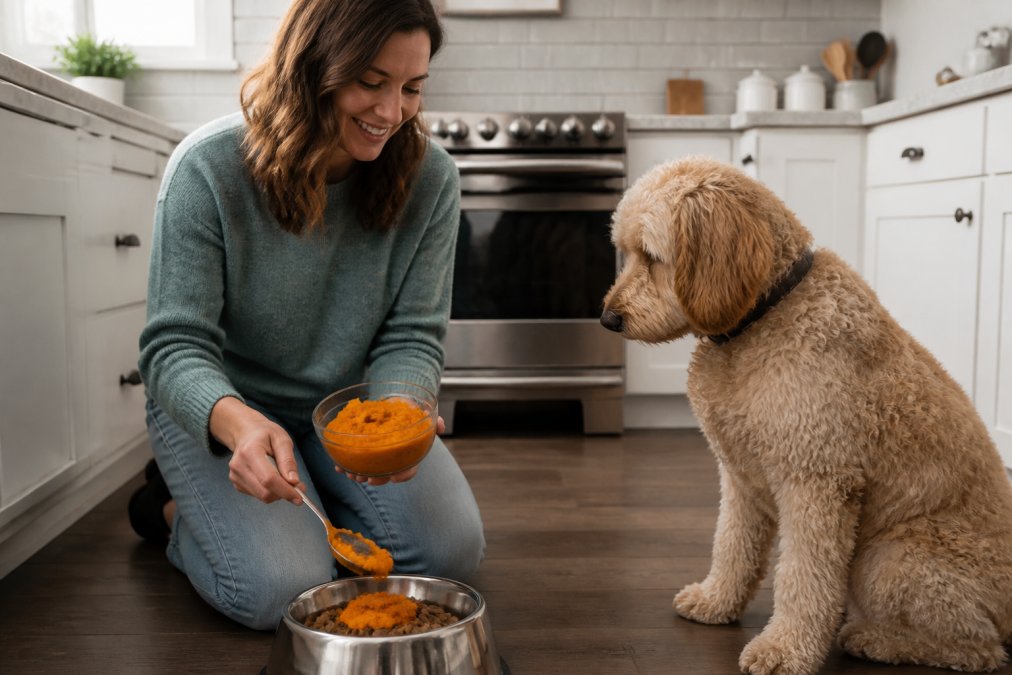
Pumpkin puree is one of the most effective natural remedies for dog gas. It's high in fiber, which improves gastrointestinal motility and helps move food through the digestive tract more efficiently. Better motility means less time for food to ferment and produce gas. Pumpkin also absorbs excess moisture, firming up stools and reducing bloating.
Use plain pumpkin puree, not the sweetened pie filling. A teaspoon for small dogs or a tablespoon for large dogs mixed into their regular food works well. Most dogs see improvement within 24-48 hours. The fiber helps normalize bowel movements and reduces the fermentation that creates flatulence.
Fiber supplementation beyond pumpkin can help too. Psyllium husk and other soluble fibers improve digestive efficiency. However, too much fiber can backfire, it may increase gas initially as the gut adjusts. Start with small amounts and increase gradually. The goal is firm, regular stools without excessive gas, not constipation.
Slow Feeding and Portion Control
How fast your dog eats directly impacts gas production. Dogs that gulp their food swallow air along with it (aerophagia), which creates bloating and flatulence. A slow feeder bowl forces your dog to eat more deliberately, reducing the amount of air they ingest. These bowls have ridges or obstacles that make your dog work around them to reach food.
Portion control matters equally. Smaller, more frequent meals are gentler on the digestive system than one or two large meals. Instead of feeding your dog once daily, try splitting their daily ration into two or three smaller meals. This approach keeps the gastrointestinal system from becoming overwhelmed and reduces fermentation.
Feeding your dog in a calm environment also helps. A stressed, excited dog eats faster and swallows more air. A quiet space away from other pets creates a relaxed eating experience. If your dog has multiple dogs competing for food, feed them separately to eliminate the rush.
Gentle Tummy Massage
A gentle abdominal massage can help move gas through the digestive tract and provide immediate relief. Use slow, circular motions on your dog's belly, moving clockwise (following the path of the colon). Massage for 5-10 minutes, using light to medium pressure. Most dogs find this soothing, and it often helps them pass gas or have a bowel movement within minutes.
Massage also reduces stress, which indirectly helps with gas production. A relaxed dog has better digestion. This is a simple, cost-free remedy you can use daily or whenever your dog seems uncomfortable.
Signs of Bloat in Dogs: When Gas Becomes Serious
Not all dog gas is harmless. Bloat, a serious, life-threatening condition, can mimic simple flatulence but requires immediate veterinary attention. Bloat occurs when the stomach fills with gas and potentially twists, cutting off blood supply. This is a medical emergency.
Warning signs include a hard, distended abdomen that looks swollen or tight, excessive drooling, unproductive retching (attempting to vomit but nothing comes up), restlessness or pacing, and lethargy or collapse. A dog with bloat is in pain and may whine or cry. Unlike simple gas, bloat progresses rapidly, within hours, a dog can go from appearing uncomfortable to being in critical condition.
Large breeds and deep-chested dogs are at higher risk. Eating too quickly, eating large meals, or exercising immediately after eating increases bloat risk. If your dog shows any of these signs, do not wait or try home remedies. Contact an emergency veterinary clinic immediately. Bloat requires surgery and can be fatal if untreated.
Simple gas produces occasional flatulence, mild abdominal discomfort, and normal behavior otherwise. Bloat produces severe distension, visible pain, and behavioral changes. Learn the difference. When in doubt, contact your veterinarian.
The Role of Exercise and Stress Reduction
Regular exercise improves gastrointestinal motility, helping food move through the digestive tract more efficiently. Dogs that exercise daily produce less gas than sedentary dogs. Exercise also reduces stress and anxiety, which are significant contributors to digestive upset.
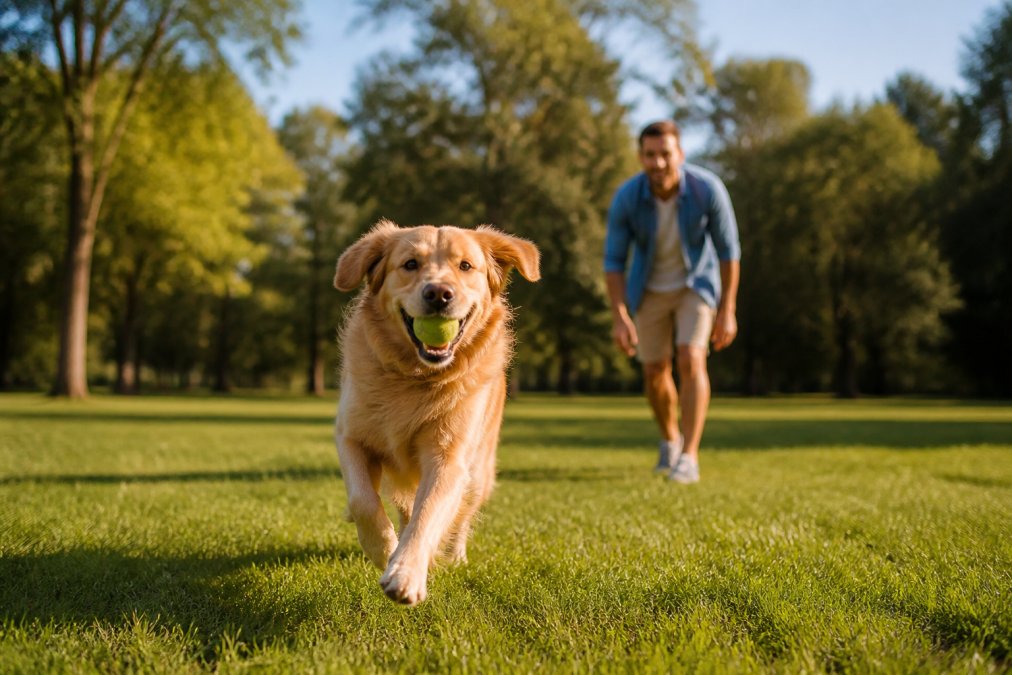
Aim for at least 30 minutes of moderate activity daily, walks, fetch, swimming, or play. Consistent exercise creates a routine that your dog's digestive system adapts to, normalizing bowel movements and reducing fermentation. However, avoid vigorous exercise immediately after meals, as this can trigger bloat in susceptible dogs. Wait at least 2 hours after eating before intense activity.
Stress reduction is equally important. Dogs that are anxious or overstimulated experience increased gas production. Create a calm environment with consistent routines. Provide a quiet space where your dog can retreat. If your dog has separation anxiety or noise sensitivity, address these issues through training or, in some cases, with guidance from a veterinary behaviorist. Reducing stress directly reduces gas.
When to See Your Veterinarian
While most dog gas responds to dietary and lifestyle changes, certain situations warrant professional evaluation. If your dog's gas persists despite dietary improvements and natural remedies over 3-4 weeks, schedule a veterinary visit. Chronic flatulence can indicate food allergies, gastrointestinal disease, or other underlying conditions that need professional diagnosis.
See your veterinarian if your dog shows signs of bloat, abdominal pain, vomiting, diarrhea, or changes in appetite. These symptoms suggest something beyond simple gas. Your vet can rule out conditions like inflammatory bowel disease, pancreatitis, or parasitic infections that require specific treatment.
Discuss any new supplements or dietary changes with your veterinarian before starting them, especially if your dog is on medication. Some supplements interact with medications or may not be appropriate for dogs with certain health conditions. Your vet can also recommend specific probiotics or digestive enzymes tailored to your dog's needs.
According to veterinary digestive health guidelines, dogs showing persistent digestive symptoms benefit from professional assessment to rule out underlying disease. A vet can perform fecal analysis, bloodwork, or imaging if needed to identify the root cause.
Conclusion
Dog gas is rarely a sign of serious illness, but it's always a signal that something in your dog's digestive system needs attention. The best natural remedies for dog gas address the root cause: improving diet quality, supporting gut health with probiotics, using fiber-rich foods like pumpkin, slowing down eating speed, and reducing stress through exercise and routine.
Most dogs see dramatic improvement within 2-3 weeks of implementing these changes. If your dog continues to struggle despite your efforts, professional veterinary guidance helps identify underlying conditions that need treatment.
For dogs needing additional gut support, research on ozonated oils for canine digestive health suggests that targeted supplements can enhance results when combined with dietary changes. o3 Canine's all-natural ozonated oil is designed to support gut health and digestive balance by promoting a healthy microbiome, exactly the foundation these natural remedies build on. Adding o3 Canine to your dog's daily meal gives you one simple way to support the digestive improvements you're already making through better food and lifestyle adjustments.
=== FAQ ANSWERS (audit these too, same rules) ===
[1] Q: What is the best home remedy for gas in dogs? A: Pumpkin puree is one of the most effective home remedies for dog gas. Add 1-2 tablespoons to your dog's meal to increase fiber and improve digestive health. Probiotics designed for dogs also work well by promoting healthy gut microbiome balance. Plain, cooked chicken with white rice can soothe the digestive system during flare-ups. Always introduce any new remedy gradually and monitor your dog's response. If gas persists beyond a few days, consult your veterinarian.
[2] Q: What causes flatulence in dogs? A: Dog gas typically results from food intolerance, rapid eating, or low-quality proteins that are harder to digest. Swallowing too much air while eating (aerophagia) also contributes to flatulence. Bacterial fermentation in the gut produces gas when carbohydrates aren't digested efficiently. Some breeds are more prone to gas than others, and stress can worsen gastrointestinal motility. Dietary transitions made too quickly can trigger temporary bloating and flatulence. Identifying the root cause helps determine the best natural remedy for your dog.
[3] Q: When should I be concerned about my dog's gas? A: Occasional gas is normal, but watch for signs of bloat in dogs such as a hard, distended abdomen, excessive drooling, restlessness, or unproductive retching. These symptoms require immediate veterinary attention. Also be concerned if gas is accompanied by diarrhea, vomiting, loss of appetite, or foul-smelling stools lasting more than 2-3 days. Breed-specific gas triggers matter too, deep-chested breeds face higher bloat risk. If your dog shows abdominal discomfort or behavioral changes, contact your vet promptly.
[4] Q: How long does it take to see results from natural remedies for dog gas? A: Most natural remedies show improvement within 3-5 days if the cause is dietary. Probiotics for dog gas may take 1-2 weeks to establish a healthy gut microbiome and reduce gastrointestinal distress. Dietary transitions should be gradual (7-10 days) to allow your dog's digestive system to adjust. Slow-feeding techniques and exercise changes produce faster results, often within days. Consistency matters, give any remedy at least 2 weeks before deciding whether it's effective for your dog's specific situation.
Frequently Asked Questions
What is the best home remedy for gas in dogs?
Pumpkin puree is one of the most effective home remedies for dog gas. Add 1-2 tablespoons to your dog's meal to increase fiber and improve digestive health. Probiotics designed for dogs also work well by promoting healthy gut microbiome balance. Plain, cooked chicken with white rice can soothe the digestive system during flare-ups. Always introduce any new remedy gradually and monitor your dog's response. If gas persists beyond a few days, consult your veterinarian.
What causes flatulence in dogs?
Dog gas typically results from food intolerance, rapid eating, or low-quality proteins that are harder to digest. Swallowing too much air while eating (aerophagia) also contributes to flatulence. Bacterial fermentation in the gut produces gas when carbohydrates aren't digested efficiently. Some breeds are more prone to gas than others, and stress can worsen gastrointestinal motility. Dietary transitions made too quickly can trigger temporary bloating and flatulence. Identifying the root cause helps determine the best natural remedy for your dog.
When should I be concerned about my dog's gas?
Occasional gas is normal, but watch for signs of bloat in dogs such as a hard, distended abdomen, excessive drooling, restlessness, or unproductive retching. These symptoms require immediate veterinary attention. Also be concerned if gas is accompanied by diarrhea, vomiting, loss of appetite, or foul-smelling stools lasting more than 2-3 days. Breed-specific gas triggers matter too, deep-chested breeds face higher bloat risk. If your dog shows abdominal discomfort or behavioral changes, contact your vet promptly.
How long does it take to see results from natural remedies for dog gas?
Most natural remedies show improvement within 3-5 days if the cause is dietary. Probiotics for dog gas may take 1-2 weeks to establish a healthy gut microbiome and reduce gastrointestinal distress. Dietary transitions should be gradual (7-10 days) to allow your dog's digestive system to adjust. Slow-feeding techniques and exercise changes produce faster results, often within days. Consistency matters, give any remedy at least 2 weeks before deciding whether it's effective for your dog's specific situation.
This article was written using GrandRanker
