

Table of Contents
- What You'll Need Before You Start
- Dog Feeding Schedule Best Practices
- Step 1: Rule Out Medical Causes First
- Step 2: Understand the Behavioral Psychology of Food Refusal
- Step 3: Improve Palatability With Sensory-Based Solutions
- Best Food Toppers for Picky Dogs
- Step 4: Manage Treats and Table Scraps
- When to See a Vet for Dog Not Eating
Last Updated: August 14, 2026
What You'll Need Before You Start
Feeding picky dogs is one of the most common frustrations dog owners face, and most cases are solvable without a vet visit or expensive diet overhaul. This guide from o3 Canine walks you through every practical strategy, from scheduling and sensory tricks to behavioral psychology and medical red flags.
Before you change anything about your dog's diet, gather these basics:
- A consistent feeding location (same spot, every meal)
- A clean, appropriately sized food bowl (stainless steel or ceramic preferred)
- A kitchen scale or measuring cup for accurate portion control
- A notepad or phone to log what your dog eats and when
- Your dog's current food, plus one alternative texture to test
Food bowl hygiene matters more than most owners realize. Residual odors, detergent residue, or a bowl too deep for a flat-faced breed can trigger food aversion before the meal starts. Wash bowls daily with hot water and unscented soap, and rinse thoroughly.
The nutritional balance of your dog's current diet is also worth checking. According to AAFCO's official nutritional standards for dog food, complete and balanced dog food must meet established nutrient profiles for the dog's life stage. A nutritionally incomplete food can cause reluctant eating, not from pickiness, but because the body isn't satisfied.
Dog Feeding Schedule Best Practices
A predictable mealtime routine is the single most effective tool for improving a dog's appetite. Consistency builds appetite because dogs have strong internal clocks. When meals happen at the same time each day, the digestive system prepares in advance, increasing hunger at the expected hour.
Set Meal Times and Stick to Them
Most adult dogs do well with two meals per day, roughly 10-12 hours apart. Puppies and senior dogs often benefit from three smaller meals. Pick times that fit your actual daily routine, because a schedule you can't maintain is worse than no schedule at all. The first week is the hardest; hold firm even if your dog doesn't eat enthusiastically right away.
Limit How Long Food Sits Out
Leaving food available all day removes the hunger signal that makes mealtime matter. A dog who knows food is always there has no incentive to eat when it's served. Put the bowl down, give your dog 15-20 minutes to eat, then pick it up regardless of consumption. No treats, no alternatives, no second chances until the next scheduled meal.
| Step | Action | Duration |
|---|---|---|
| Set meal time | Place food bowl down | 0 minutes |
| Allow eating window | Leave bowl undisturbed | 15-20 minutes |
| Remove bowl | Pick up regardless of intake | Immediately after window |
| Next meal | Repeat at scheduled time | 10-12 hours later |
| Consistency check | No snacks between meals | Ongoing |
It feels harsh the first few days. It works within a week for the vast majority of dogs.
Step 1: Rule Out Medical Causes First
Sudden appetite loss is different from chronic pickiness. A dog who has always been selective is likely behavioral. A dog who ate normally last month and now refuses food needs a veterinary consultation before anything else.
Several medical conditions can cause reluctant eating: gastrointestinal distress, dental pain, kidney disease, liver problems, or hormonal imbalances. Dental pain is frequently overlooked; a dog with a cracked tooth will avoid hard kibble but may accept soft food.
According to the American Veterinary Medical Association's guidance on anorexia in dogs, anorexia lasting more than 24-48 hours warrants professional evaluation. Do not attempt behavioral modifications until a medical cause has been ruled out.
Step 2: Understand the Behavioral Psychology of Food Refusal
Most picky eating is a learned behavior pattern, not a food problem.
How Food Aversion Develops
Food aversion is a conditioned response where a dog associates a particular food, bowl, or feeding context with something negative. This can develop after a single bad experience: eating a food and then feeling ill, being startled during a meal, or being fed in a stressful environment.
The behavioral modification approach is gradual desensitization. Reintroduce the avoided food in tiny amounts mixed with something highly palatable, in a calm environment, over 7-14 days. Forcing the issue or showing frustration reinforces the dog's wariness.
Owners also inadvertently reward food refusal. When a dog turns away from kibble and immediately receives something better, the dog learns that refusing food produces a preferred outcome. This is the most common way picky eating becomes persistent.
Age-Specific Strategies for Picky Eaters
Puppies (under 1 year): Exposing them to varied textures and flavors early builds dietary flexibility that pays off for life. A puppy who only ever eats one food is at higher risk of becoming a picky adult.
Adult dogs (1-7 years): Most behavioral picky eating is established by adulthood. The schedule-and-remove method works best here. Some adult dogs benefit from interactive feeding tools that make mealtime mentally engaging.
Senior dogs (7+ years): Appetite changes in older dogs are often physical. Reduced sense of smell, dental discomfort, and lower caloric needs all affect eating. Warming food, softer textures, and smaller more frequent meals are most effective.
Step 3: Improve Palatability With Sensory-Based Solutions
Dogs experience food primarily through smell. A food that smells appealing will almost always outperform one that doesn't, regardless of nutritional profile.
Warm the Food to Boost Aroma
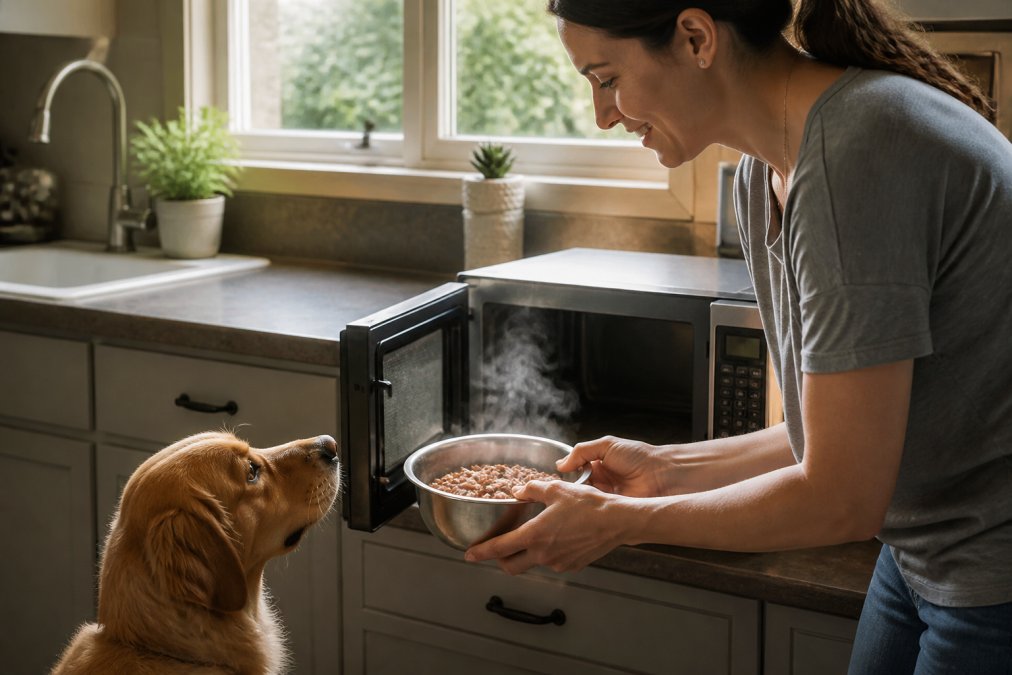
Warming wet food or adding warm water to dry kibble releases volatile aromatic compounds that make food significantly more appealing. Aim for body temperature, around 99-101°F (37-38°C). Stir well to eliminate hot spots, and test with your wrist before serving.
Mix Wet and Dry Food Textures
Texture variety addresses a different dimension of palatability. Some dogs find dry kibble uninteresting; others find wet food too rich alone. Mixing the two creates a more complex sensory experience that many picky eaters find more appealing.
The standard starting ratio is 80% dry to 20% wet food. This maintains the dental benefits of kibble while adding moisture, aroma, and softer texture. Adjust based on your dog's response over 5-7 days.
Best Food Toppers for Picky Dogs
The best food toppers add strong aroma, palatability, and nutritional value without disrupting the dog's existing diet. Effective options include:
- Bone broth (unsalted, no onion or garlic): Adds moisture and savory aroma most dogs find irresistible.
- Cooked lean protein: Plain boiled chicken or turkey, shredded and mixed in.
- Plain canned pumpkin (not pie filling): Adds fiber and digestive support.
- Ozonated oil supplements: o3 Canine's all-natural ozonated oil supports gut health, skin, and coat from the inside out. Dogs are drawn to its palatable taste, and it addresses multiple concerns in one daily addition.
- Plain full-fat yogurt (in small amounts): Adds probiotics and creamy texture.
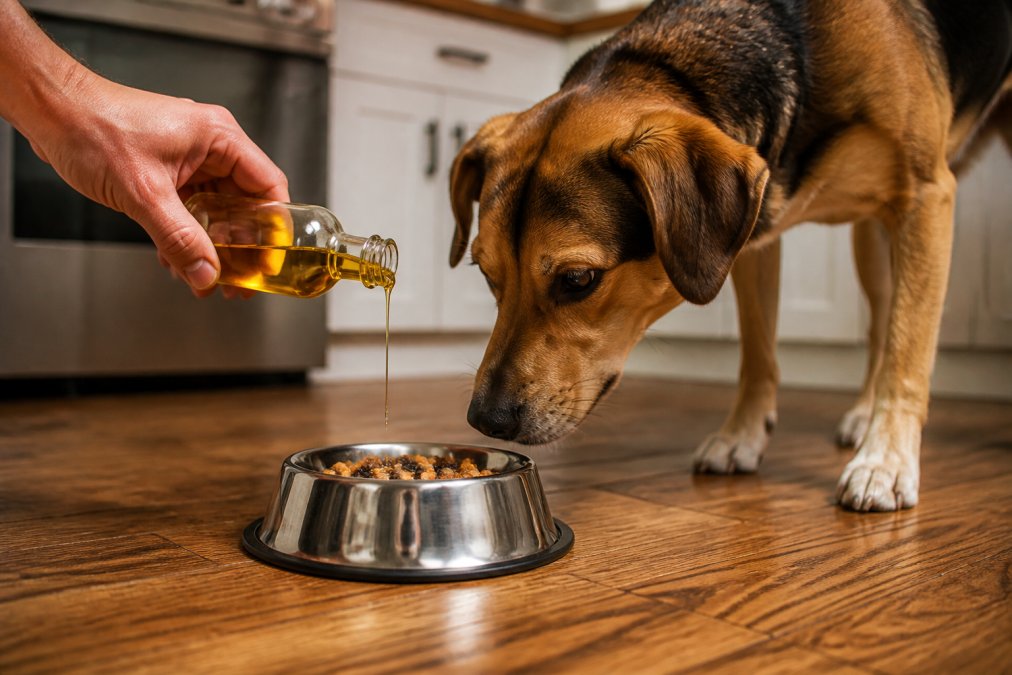
Use toppers consistently enough to build positive food associations, but not so heavily that the dog refuses to eat without them. Rotate toppers periodically to prevent dependency.
Interactive Feeding Tools That Increase Food Motivation
Interactive feeding tools reframe mealtime as an activity rather than a passive event. Snuffle mats hide kibble in fabric fibers, activating foraging behavior. Slow feeder bowls add mild challenge that keeps dogs engaged. Puzzle feeders require the dog to manipulate compartments to access food. These tools work best for adult dogs with behavioral pickiness.
Step 4: Manage Treats and Table Scraps
Treats and table scraps are not inherently problematic, but caloric density and timing matter. A small dog receiving several high-value treats throughout the day may already meet a significant portion of daily caloric needs before mealtime arrives.
Practical rules that work:
- Calculate treat calories. Treats should account for no more than 10% of your dog's daily caloric intake. The Association of American Feed Control Officials' guidance on pet nutrition provides life-stage caloric guidelines.
- Never offer a treat within two hours of a scheduled meal. Treats right before mealtime directly suppress appetite.
- Stop feeding from the table entirely. Table scraps teach dogs that human food is available on demand.
- Use low-calorie training treats. Small pieces of carrot, green bean, or commercial low-calorie treats preserve reward value without caloric load.
Every exception trains the dog that persistence pays off. One concession resets your progress.
When to See a Vet for Dog Not Eating
Behavioral strategies are appropriate for chronic, mild pickiness. They are not substitutes for medical care.
Schedule a veterinary consultation if your dog:
- Refuses food entirely for more than 24-48 hours
- Has lost noticeable weight over a short period
- Shows signs of nausea: lip licking, drooling, or grass eating
- Eats reluctantly and also shows lethargy, vomiting, or diarrhea
- Has recently started a new medication
- Is a puppy under 6 months
- Is a senior dog with a sudden change in appetite after years of normal eating
As documented in Cornell University College of Veterinary Medicine's guidance on canine nutrition, nutritional deficiencies and underlying health conditions are among the most common and underdiagnosed causes of appetite changes. A blood panel and physical exam can rule out the majority of medical causes in a single visit.
Most dogs who are medically clear and on a consistent schedule will eat when they're hungry enough. The hard part is trusting that and not intervening.
Feeding picky dogs takes patience, consistency, and the right tools, but it rarely requires an expensive overhaul. If you've worked through the steps above and your dog still struggles with appetite, gut discomfort, or skin issues that affect their willingness to engage with food, o3 Canine's all-natural ozonated oil offers a simple daily addition that supports digestive health and gut balance from the inside out. Dogs love the taste, it mixes into any meal in seconds, and it addresses the internal imbalances that often sit beneath persistent picky eating. Get started with o3 Canine and give your dog the daily support that makes every meal worth eating.
Frequently Asked Questions
Will a picky eater dog eventually eat if I just wait them out?
Most healthy dogs will eat when hungry enough, but waiting them out only works if there is no underlying medical issue. Dogs with gastrointestinal distress, dental pain, or sudden appetite loss due to illness will not simply snap out of it. If your dog skips more than two consecutive meals, schedule a veterinary consultation rather than assuming it is purely behavioral. For dogs confirmed as picky eaters, a consistent feeding schedule combined with palatability improvements is far more effective than waiting.
What are the best food toppers for picky dogs?
Effective food toppers for picky dogs include low-sodium bone broth, a small amount of wet food mixed into kibble, plain cooked chicken, and natural oils like ozonated oil that dogs find palatable and that also support digestive health. The goal is to increase aroma and caloric density without disrupting nutritional balance. Avoid table scraps and heavily seasoned foods, which can create food aversion to the regular diet and cause gastrointestinal distress over time.
How can I tell if my dog is picky or actually sick?
A picky dog typically refuses specific foods but remains energetic, maintains a healthy weight, and shows interest in treats or preferred foods. A sick dog often shows sudden appetite loss across all foods, combined with lethargy, vomiting, diarrhea, or weight loss. If your dog's dietary habits changed abruptly rather than gradually, that is a red flag for underlying health issues. Any sudden, unexplained refusal to eat warrants a vet visit rather than a feeding schedule adjustment.
Should I add toppers to my dog's food every meal?
Adding toppers consistently is fine as long as they maintain nutritional balance and do not replace core kibble or wet food nutrition. Natural options like ozonated oil or bone broth can be added daily without disrupting your dog's diet. Avoid rotating through highly palatable human foods too frequently, as this can train dogs to hold out for something better, reinforcing picky eating behavior over time. Keep toppers as a complement to the meal, not the main event.
This article was written using GrandRanker
