

Table of Contents
- Understanding Canine Allergies and Skin Irritation
- Key Ingredients That Support Natural Dog Allergy Relief
- How to Stop Dog Itching Naturally: Omega-3s and Beyond
- Best Probiotics for Dogs with Allergies and Gut Health
- Natural Dog Immune System Booster Strategies
- Choosing the Right Natural Supplement for Your Dog's Allergies
- Safety, Dosing, and What to Expect
- Conclusion
Last Updated: August 27, 2026
Understanding Canine Allergies and Skin Irritation
Canine allergies affect dogs across all breeds and ages. Excessive scratching, red patches, and constant paw licking signal immune overreaction to environmental allergens, seasonal changes, or food sensitivities. This inflammation damages the skin barrier, creating a cycle where itching leads to more scratching, worsening irritation and inviting secondary infections.
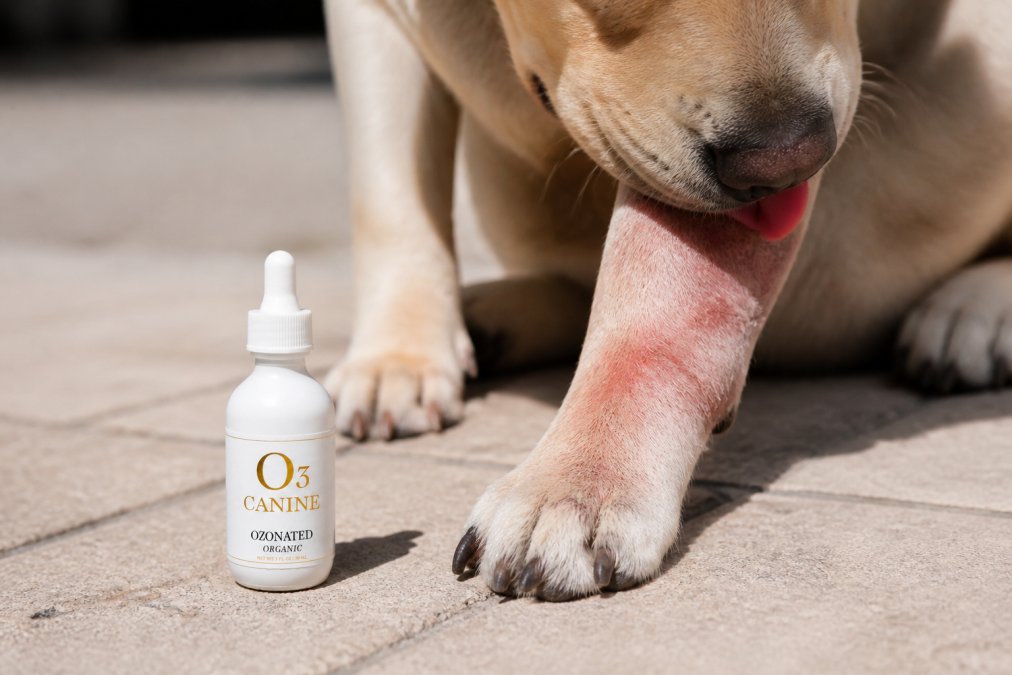
Dogs with atopic dermatitis may react to multiple triggers simultaneously. Environmental allergens like pollen, mold, or dust mites trigger systemic inflammation. The gut barrier, where 70% of immune function originates, may be compromised, amplifying the inflammatory response (peer-reviewed research).
Natural supplements for dog allergies address the root issue by supporting immune modulation and rebuilding the skin barrier from inside out. Rather than masking symptoms with prescription medications, strategic supplementation calms inflammatory response, strengthens the gut microbiome, and provides nutrients for skin repair.
Key Ingredients That Support Natural Dog Allergy Relief
The most effective natural supplements contain specific ingredients backed by research in immune and skin health.
Omega-3 Fatty Acids (EPA and DHA) reduce inflammatory response by modulating cytokine production and strengthen skin barrier function. Research shows improved coat quality and reduced itching within 4-8 weeks (peer-reviewed research).
Quercetin functions as a natural antihistamine by stabilizing mast cells, reducing histamine response without sedating your dog.
Bromelain, an enzyme from pineapple, reduces inflammation and improves nutrient absorption simultaneously.
Probiotics and Digestive Enzymes restore gut barrier function, preventing allergen particles from triggering systemic inflammation.
Herbal Support through nettle, echinacea, and turmeric provides anti-inflammatory and immune-modulating effects. Turmeric's curcumin has documented anti-inflammatory properties.
The most effective supplements combine these ingredients rather than relying on single components, addressing inflammation, immunity, gut health, and skin nourishment simultaneously.
How to Stop Dog Itching Naturally: Omega-3s and Beyond
Stopping dog itching naturally requires addressing the inflammatory cascade and supporting the body's repair mechanisms. Omega-3 fatty acids reduce pro-inflammatory compounds called eicosanoids, producing measurable results: reduced skin redness, less licking, and improved coat texture. Most dogs show noticeable improvement within the first month, though full skin barrier restoration takes 8-12 weeks (peer-reviewed research).
Colostrum, the nutrient-rich first milk from mammals, contains immunoglobulins and growth factors that repair the intestinal lining. A compromised gut barrier allows allergen particles to cross into the bloodstream, triggering systemic inflammation. By sealing the gut, colostrum prevents this cascade.
Chaga mushrooms provide immune modulation through polysaccharides that regulate T-cell and B-cell function, preventing immune overreaction to harmless substances.
The timeline for results varies depending on allergy severity, secondary infections, and consistency of administration. Some dogs show reduced itching within 2-3 weeks; others take 6-8 weeks for full benefits.
Best Probiotics for Dogs with Allergies and Gut Health
Probiotics are critical for allergy management. A healthy gut microbiome directly influences immune function and skin health. When beneficial bacteria are depleted, the intestinal barrier weakens, allowing harmful bacteria to trigger systemic inflammation manifesting as skin itching.
The best probiotics contain multiple bacterial strains, particularly Lactobacillus and Bifidobacterium species, which produce short-chain fatty acids that nourish the intestinal lining. Look for products specifying 5-10 billion CFU per dose with enteric-coated formulations for better stomach acid survival.
Probiotics work best combined with dietary fiber and omega-3 supplementation. The fiber feeds beneficial bacteria; omega-3s reduce inflammation, creating an environment where healthy bacteria thrive. Most dogs show improved digestive regularity and reduced itching within 3-4 weeks of consistent supplementation.
Natural Dog Immune System Booster Strategies
Supporting your dog's immune system means preventing overreaction to harmless allergens while maintaining strong defenses. This requires immune modulation rather than suppression.
Antioxidants including vitamins A, C, and E, plus minerals like selenium and zinc, protect immune cells from oxidative damage. Hemp seed oil provides gamma-linolenic acid (GLA), an omega-6 fatty acid that supports immune regulation, helping the immune system distinguish between pathogens and harmless allergens.
For allergic dogs, immune modulation is crucial. A hyperactive immune system is the problem; these dogs need training to respond appropriately rather than overreacting. Stress reduction supports immune function indirectly but significantly, as chronic stress elevates cortisol, promoting inflammatory responses.
The best natural supplements include ingredients supporting overall wellness, not just skin-specific nutrients. A dog with good gut health, appropriate immune modulation, and low stress naturally has fewer allergic flare-ups.
Choosing the Right Natural Supplement for Your Dog's Allergies
Selecting the right supplement requires evaluating your dog's specific situation, the supplement's ingredient profile, and how it fits into your overall allergy management strategy.
Identify your dog's primary allergy trigger if possible. Is it seasonal or year-round? Does your dog have concurrent digestive issues? These factors guide supplement selection. A dog with seasonal allergies might benefit most from quercetin and omega-3s; a dog with year-round itching and digestive issues needs probiotics and comprehensive gut support.
Evaluate ingredient quality and third-party purity testing to ensure the supplement contains what the label claims and is free from contaminants. Consider bioavailability, how efficiently your dog's body absorbs and utilizes ingredients. Ozonated oils enhance bioavailability by increasing oxygen availability at the cellular level.
Palatability determines consistent consumption. The best supplement is one your dog will eat reliably.
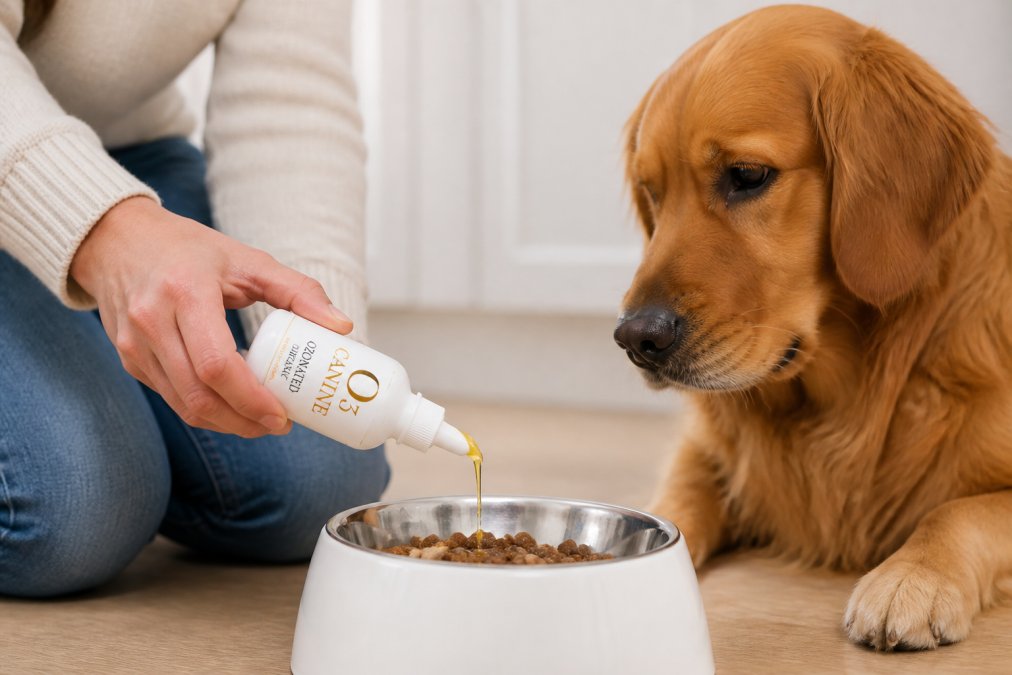
o3 Canine's K9 Oil represents a comprehensive approach to natural allergy support. As an all-natural ozonated oil combining omega-3 fatty acids, herbal extracts, and activated ozone, it enhances nutrient absorption while remaining palatable. Simply add it to your dog's regular meal. The K9 Oil costs $26.00.

Safety, Dosing, and What to Expect
Before starting any natural supplement, verify safety with your veterinarian, particularly if your dog takes medications. Some supplements interact with common allergy medications or blood thinners.
Dosing varies by supplement type and your dog's weight. Start at the lower end of recommended doses and increase gradually over 1-2 weeks. Common temporary side effects during the first 2-4 weeks include loose stools or mild digestive upset, typically resolving as your dog's system adjusts.
Results aren't immediate. Expect noticeable improvement in itching within 2-4 weeks, but full benefits take 8-12 weeks. Some dogs require year-round supplementation; others benefit from seasonal supplementation during high-allergen periods.
Document your dog's progress with photos and tracking of itching frequency and severity. This helps your veterinarian assess whether the supplement is working and guides any adjustments to your allergy management strategy.
Managing your dog's allergies naturally requires addressing the root cause, immune overreaction and compromised gut health, rather than simply treating symptoms. The best natural supplements combine omega-3 fatty acids, probiotics, immune-modulating herbs, and enhanced bioavailability to support healing from inside out.
o3 Canine's K9 Oil provides comprehensive allergy support in a palatable, easy-to-administer format. By adding a small daily dose to your dog's regular meal, you're delivering nutrients and herbal support their body needs to calm inflammation, repair the skin barrier, and restore immune balance. Get started with o3 Canine and see how natural allergy support can transform your dog's comfort and quality of life.
Frequently Asked Questions
Q: What naturally helps dogs with allergies?
A: Natural supplements containing Omega-3 fatty acids, probiotics, and herbal ingredients like quercetin and turmeric address allergy symptoms from the inside out. These support immune modulation, reduce inflammatory response, and strengthen the skin barrier function. Omega-3s from sources like fish oil and hemp seed oil are particularly effective for reducing pruritus and supporting coat health. Probiotics help maintain gut balance, which directly impacts immune health and allergic reactions. Adding a daily natural supplement to your dog's food provides consistent support.
Q: How can I boost my dog's immune system to fight allergies naturally?
A: A natural dog immune system booster works by combining multiple supportive ingredients. Echinacea, chaga mushrooms, and colostrum enhance immune modulation and help your dog's body respond more effectively to environmental allergens. Digestive enzymes and probiotics support gut health, where 70% of immune function originates. Antioxidants from turmeric and bromelain reduce systemic inflammation. Consistency matters: daily supplementation with a product containing these ingredients helps your dog build stronger natural defenses against seasonal triggers and environmental allergens over time.
Q: Are there natural ways to stop a dog from licking their paws?
A: Excessive paw licking is often a sign of allergic response and skin irritation. To stop dog itching naturally, address the underlying inflammation with supplements containing Omega-3 fatty acids, which improve skin barrier function and reduce histamine response. Probiotics and digestive enzymes help eliminate allergen exposure from within the gut. Herbal ingredients like nettle and quercetin provide natural antihistamine support. Results typically appear within 2-4 weeks as the skin barrier strengthens and inflammatory response decreases. Combining supplements with an elimination diet helps identify specific food allergens contributing to the behavior.
Q: Do I need a vet's approval before giving my dog a natural supplement?
A: While natural supplements are generally safe, consulting your veterinarian is recommended, especially if your dog is on allergy medications or has digestive issues. Natural ingredients can interact with certain prescriptions. Your vet can confirm that third-party purity testing standards are met and that bioavailability of the supplement matches your dog's specific needs. Mention any current medications or health conditions. Most vets support natural supplementation as a complementary approach to allergy management when the product is high-quality and appropriately dosed.
This article was written using GrandRanker
