

Table of Contents
- What Causes Itchy Skin in Dogs
- How to Soothe Dog Itchy Skin Naturally
- Dog Gut Health and Skin Issues: The Connection
- Key Ingredients to Look for in Supplements
- Best Supplements for Itchy Dogs: What Works
- When to See a Veterinarian for Dog Itching
- How Long Before You See Results
- Conclusion
Last Updated: August 26, 2026
What Causes Itchy Skin in Dogs
Itchy skin in dogs stems from multiple interconnected causes: allergies (environmental, food-based, or contact), parasites like fleas and mites, bacterial or yeast infections, and dry skin conditions. Many dogs struggle with atopic dermatitis, a chronic inflammatory skin condition that compromises the skin barrier.
Itching often becomes a vicious cycle. Excessive scratching creates micro-tears in the skin, leading to secondary infections and bacterial or yeast overgrowth that intensifies inflammation. This is why addressing the root cause matters: treating only the symptom without supporting underlying skin health rarely produces lasting results.
Environmental allergens like pollen, dust mites, and mold trigger reactions in sensitive dogs. Food sensitivities, often to proteins like chicken, beef, or grains, manifest as skin irritation. Seasonal allergies flare during specific times of year, while year-long itching typically points to food sensitivities or chronic conditions like atopic dermatitis. Breed predisposition plays a significant role too, Retrievers, Bulldogs, and German Shepherds carry genetic susceptibility to skin issues.
How to Soothe Dog Itchy Skin Naturally
Soothing itchy skin naturally combines dietary support, environmental management, and strategic supplementation to calm the immune response driving itching.
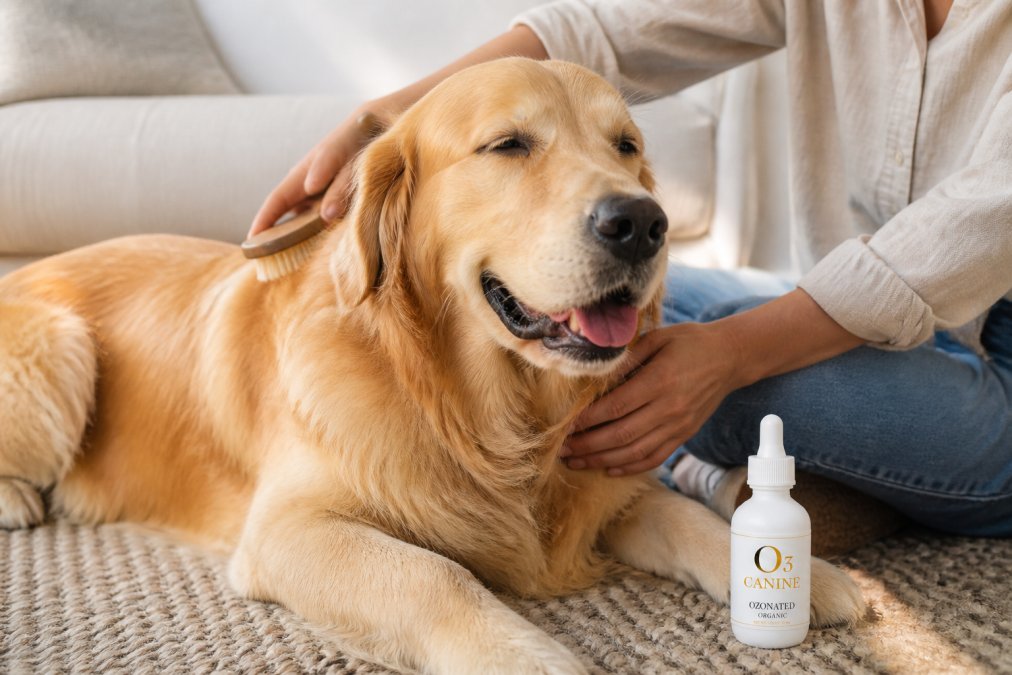
Regular bathing with lukewarm water and gentle, fragrance-free shampoo removes irritants and allergens without stripping natural oils. Bathe weekly during flare-ups, then scale back to every 2-3 weeks for maintenance. Pat dry gently rather than rubbing.
Omega-3 fatty acids are foundational for natural itch relief. These essential fatty acids reduce inflammatory markers and strengthen skin barrier function. Dogs don't produce omega-3s on their own, making supplementation critical.
Environmental management reduces trigger exposure. Regular vacuuming, washing bedding in fragrance-free detergent, and using air purifiers minimize dust mites and allergens. Wiping paws and coat after outdoor time removes pollen before it accumulates.
Probiotics support gut health, which directly influences skin condition. A balanced gut microbiome strengthens immune regulation and reduces the inflammatory response that manifests as itching.
Hydration matters significantly. Dehydrated skin becomes more permeable and reactive. Ensuring consistent water intake and using a humidifier during dry seasons supports skin hydration.
Dog Gut Health and Skin Issues: The Connection
Your dog's gut microbiome controls roughly 70% of immune system function (peer-reviewed research). When gut bacteria are imbalanced (dysbiosis), the immune system becomes hyperreactive, triggering inflammatory responses that manifest as skin irritation and excessive scratching.
A compromised gut barrier allows undigested food particles and bacterial byproducts to enter the bloodstream, triggering immune activation. This "leaky gut" phenomenon intensifies allergic responses and inflammatory markers. Dogs with chronic itching often have underlying dysbiosis that goes unaddressed by treating only skin symptoms.
Probiotics work by repopulating the gut with beneficial bacteria that restore barrier function and regulate immune tolerance. When the gut microbiome is healthy, the immune system learns to distinguish between genuine threats and harmless antigens, reducing false-alarm inflammatory responses. Probiotic supplementation often produces visible improvements in skin condition within 4-6 weeks (peer-reviewed research).
Dietary quality directly impacts gut health. High-quality, easily digestible proteins and limited ingredient diets reduce the antigenic load on the gut and allow the microbiome to stabilize. Many dogs improve dramatically when switched from low-quality commercial kibble to whole-food diets or limited-ingredient formulas.
The gut-skin axis works both ways: chronic skin inflammation disrupts gut health through stress hormones and systemic inflammation. Breaking this cycle requires simultaneous support for both systems, probiotics for gut balance, omega-3s for anti-inflammatory support, and quality nutrition to stabilize the foundation.
Key Ingredients to Look for in Supplements
When evaluating supplements for itchy dogs, certain ingredients have demonstrated value for supporting skin and coat health, reducing inflammatory markers, and promoting immune balance.
Omega-3 Fatty Acids (EPA and DHA) reduce inflammatory markers throughout the body and strengthen skin barrier function. Fish oil and algae-based sources provide bioavailable EPA and DHA. Look for supplements specifying EPA and DHA content rather than vague "omega-3" claims.
Probiotics restore gut microbiome balance and support immune system regulation. Multi-strain formulas (containing 5+ different beneficial bacteria species) work better than single-strain products. CFU counts should be in the billions, and the formula should be shelf-stable without requiring refrigeration.
Collagen supports skin elasticity and the structural integrity of the skin barrier. Hydrolyzed collagen breaks down into amino acids and peptides that dogs can absorb efficiently.
Vitamin E functions as a powerful antioxidant that protects skin cells from oxidative stress and supports immune function.
Herbal Extracts like quercetin and licorice root have natural anti-inflammatory properties. Quercetin acts similarly to antihistamines without side effects, while licorice root supports immune balance.
Ozonated Oils have antimicrobial and anti-inflammatory properties that may help calm irritated skin and reduce secondary infections.
Zinc and Selenium support immune function and skin health, boosting skin resilience in chronically itchy dogs.
The most effective supplements combine multiple ingredients targeting different aspects of skin health: anti-inflammatory support (omega-3s), immune regulation (probiotics, vitamin E), structural support (collagen), and barrier function (hydration, herbal extracts).
Best Supplements for Itchy Dogs: What Works
Finding the right supplement requires matching the product's strengths to your dog's specific needs and underlying causes.
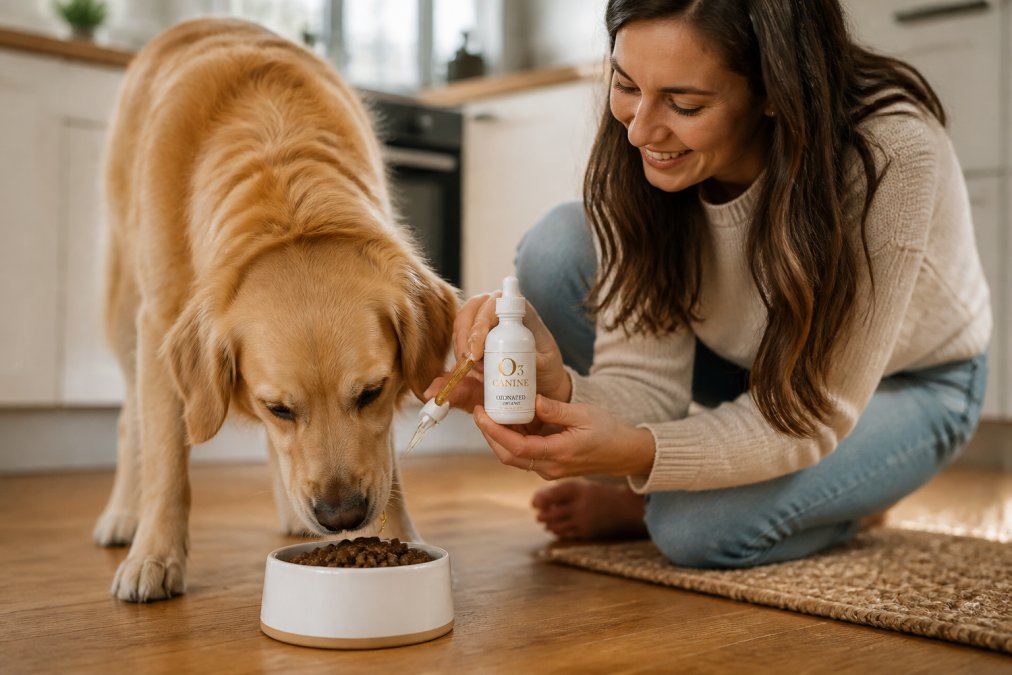
o3 Canine K9 Oil stands out as a top choice for dogs needing comprehensive skin and gut support. This all-natural ozonated oil combines organic camelina oil (rich in omega-3s), herbal extracts, and activated ozone to address inflammation, immune balance, and skin barrier function simultaneously. The formula mixes directly into food, eliminating struggles with picky eaters. At $26.00 per bottle, it represents solid value for a multi-benefit formula addressing itching, coat quality, and gut health. The ozonated oil component distinguishes it from standard omega-3 supplements, offering antimicrobial and anti-inflammatory properties that may help reduce secondary infections common in chronically itched skin.

Ozonated Oils for Skin Support
Ozonated oils represent an emerging category of skin support supplements that work through multiple mechanisms. Ozone (O₃) possesses antimicrobial and anti-inflammatory properties that may help calm irritated skin and reduce bacterial or yeast overgrowth, common complications in dogs with chronic itching.
When added to food, ozonated oils work systemically, supporting skin health from within. For dogs with secondary yeast or bacterial infections resulting from excessive scratching, ozonated oils may provide additional antimicrobial support beyond standard supplements.
The best ozonated oil products combine the ozonated base with complementary ingredients like omega-3 sources and herbal extracts that amplify the anti-inflammatory effect. Oil-based supplements mix seamlessly into wet food, making them ideal for dogs resistant to pills or capsules. Consistency of delivery is crucial for seeing results.
Omega-3 Fatty Acids and Anti-Inflammatory Support
Omega-3 fatty acids (EPA and DHA) form the foundation of most effective itchy dog supplement protocols. These essential fatty acids reduce inflammatory markers throughout the body, strengthen skin barrier function, and support immune system regulation. Dogs cannot synthesize omega-3s internally, making dietary supplementation non-negotiable for addressing chronic skin inflammation.
EPA and DHA reduce the cascade of inflammatory signals that trigger itching, often producing visible improvement in coat quality and reduced scratching within 3-4 weeks of consistent use.
Products specifying exact EPA and DHA content are preferable to vague "omega-3" claims, as bioavailability varies significantly between sources. Most effective protocols use approximately 100-200mg of combined EPA and DHA per 10 pounds of body weight daily (aafco.org).
Consistency of supplementation determines results. Omega-3s accumulate in tissue over time, and benefits typically emerge after 4-6 weeks of daily use.
Probiotics and Immune System Support
Probiotics restore gut microbiome balance and represent one of the most underutilized tools for addressing chronic itching. The gut microbiome controls approximately 70% of immune function, making a balanced microbiome foundational for reducing hyperreactive immune responses that drive skin inflammation.
Multi-strain probiotic formulas containing 5 or more bacterial species work better than single-strain products. Different bacterial strains perform different functions: some produce short-chain fatty acids that nourish gut lining, others produce antimicrobial compounds, and others directly regulate immune tolerance.
CFU (colony-forming units) count indicates bacterial viability. Effective probiotic supplements contain at least 5-10 billion CFUs per dose. Shelf-stable formulas are more likely to deliver viable bacteria to your dog's gut.
Meaningful microbiome shifts typically require 6-8 weeks of consistent supplementation. Many owners abandon probiotics after 2-3 weeks without seeing results, missing the window where benefits emerge.
When to See a Veterinarian for Dog Itching
Distinguishing between itching that responds to supplementation and itching requiring veterinary intervention prevents delays in addressing serious underlying conditions.
See your veterinarian immediately if your dog displays signs of secondary infection: pustules, crusting, foul odor, or warm, swollen skin. These indicate bacterial or yeast overgrowth requiring prescription treatment.
Sudden-onset severe itching warrants veterinary assessment. Acute itching often indicates parasites or contact allergies requiring specific treatment.
If your dog shows signs of systemic illness, lethargy, appetite changes, vomiting, diarrhea, or behavioral changes, alongside itching, professional evaluation is essential.
Chronic itching lasting more than 4-6 weeks despite environmental management and supplementation warrants veterinary consultation. Your vet may recommend allergy testing or prescription anti-inflammatory medications if itching severely impacts quality of life.
Discuss supplementation with your veterinarian before starting if your dog takes medications for other conditions. Your veterinarian can also rule out underlying conditions like hormonal imbalances or autoimmune diseases that manifest as itching.
How Long Before You See Results
Understanding realistic progression prevents premature abandonment of effective approaches.
Most dogs show initial improvements in coat quality and shine within 2-3 weeks of consistent supplementation. However, reduction in scratching and itching typically emerges later.
Meaningful reduction in scratching behavior usually appears between week 4 and week 8 of consistent daily supplementation. This timeline reflects the time required for inflammatory markers to decrease, the gut microbiome to rebalance, and skin barrier function to strengthen.
Maximum benefits typically manifest by week 10-12 of consistent use. If no improvement appears by week 12, the supplement may not be addressing your dog's specific underlying cause, and veterinary consultation becomes warranted.
Individual variation is significant. Some dogs respond within 3-4 weeks; others require the full 8-12 week timeline. Consistency matters enormously, daily administration for the full timeline is necessary to achieve therapeutic benefit.
Managing itchy skin in dogs requires addressing root causes rather than chasing symptoms. A comprehensive approach combining quality supplementation, environmental management, and veterinary guidance when needed produces the most reliable results. o3 Canine K9 Oil offers a practical solution for owners seeking all-natural support, combining omega-3s, herbal extracts, and ozonated oil in one palatable formula designed for daily consistency. Start with a 12-week commitment to supplementation, maintain environmental controls, and work with your veterinarian to rule out serious underlying conditions. Most dogs improve significantly when given time and consistent support.
Frequently Asked Questions
What is the best natural supplement for dogs with itchy skin?
Ozonated oils like o3 Canine K9 Oil work from the inside out by supporting skin barrier function and reducing inflammatory markers. Combined with omega-3 fatty acids, these supplements address itching at its source by promoting gut health and immune system balance. Results vary by dog, but many owners report visible improvement in coat quality and reduced scratching within 4-6 weeks of consistent use.
How long does it take for skin supplements to work on dogs?
Most dogs show initial signs of improvement within 2-4 weeks, though full results typically appear after 6-8 weeks of consistent daily supplementation. Skin barrier repair and immune system rebalancing take time. Factors like the severity of itching, underlying allergies, and your dog's individual metabolism affect the timeline. Staying consistent with dosing is critical, skipping doses delays results.
Can supplements help with both itching and coat quality?
Yes. Quality supplements like ozonated oils support multiple skin health markers simultaneously. Essential fatty acids reduce inflammation while strengthening the skin barrier and promoting a fuller, softer coat. Probiotics improve gut microbiome balance, which directly impacts both dermatological health and immune function. This multi-system approach means one supplement can address itching, dullness, and secondary skin issues together.
Are supplements safe for dogs with sensitive or upset stomachs?
Ozonated oils and quality supplements are designed to support, not irritate, digestive health. o3 Canine K9 Oil is formulated to be gentle and palatable, promoting gut balance rather than causing upset. Start with the recommended dose and monitor your dog for the first week. If your dog is on medications for allergies or digestive issues, consult your veterinarian before adding any supplement to ensure there are no drug-supplement interactions.
This article was written using GrandRanker
