

Table of Contents
- Understanding Dog Skin Allergies and Natural Remedies
- How to Soothe Dog Itchy Skin Naturally: Step-by-Step Remedies
- Dog Gut Health and Skin Allergies: Internal Support
- Benefits of Ozonated Oil for Dogs
- Environmental Allergen Management and Prevention
- Safety Precautions and When to Seek Veterinary Care
- Conclusion
Last Updated: August 21, 2026
Understanding Dog Skin Allergies and Natural Remedies
Dog skin allergies, medically known as atopic dermatitis or pruritus, are one of the most common health complaints pet owners face. When your dog scratches excessively, develops red patches, or suffers from persistent itching, the underlying cause often traces back to environmental allergens, food sensitivities, or an imbalanced immune system. Natural remedies address these root causes by soothing inflammation, supporting gut health, and reducing dermal irritation from the inside out.
At o3 Canine, we believe the most effective approach combines external soothing techniques with internal immune support. This guide explores seven proven natural remedies that work synergistically to calm your dog's itching, reduce secondary bacterial infection risk, and restore coat quality. Before starting any new remedy, consult your veterinarian, especially if your dog is already on medications for allergies.
How to Soothe Dog Itchy Skin Naturally: Step-by-Step Remedies
The most effective approach combines multiple remedies tailored to your dog's specific triggers and skin sensitivity level. Each remedy targets a different aspect of skin health: some reduce inflammation directly, others support skin barrier function, and still others address yeast overgrowth or bacterial complications.
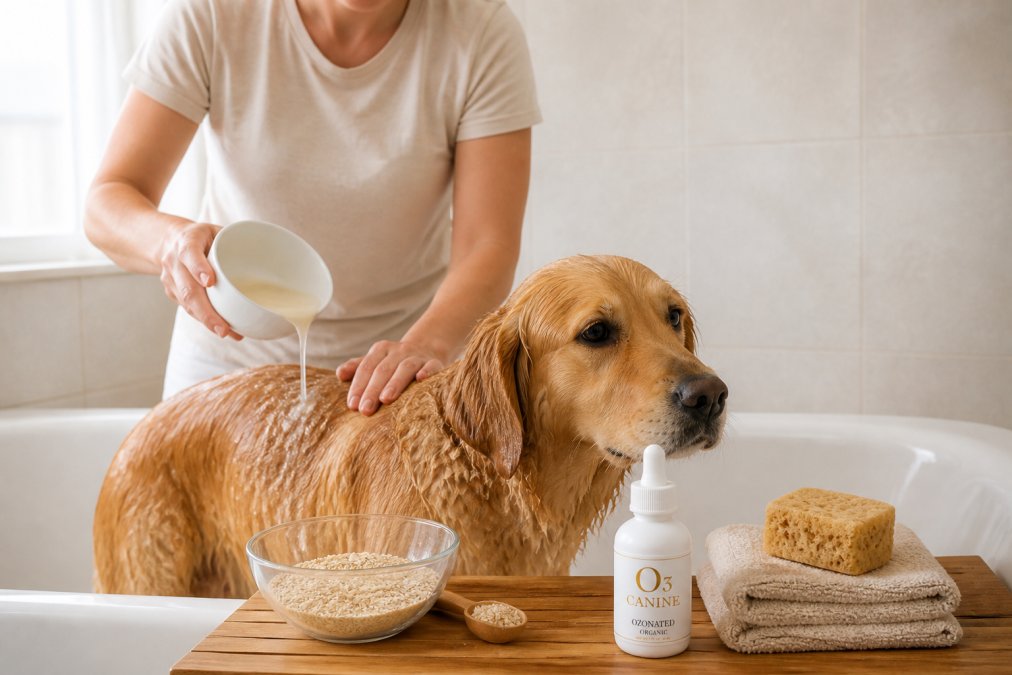
Remedy 1: Colloidal Oatmeal Baths
Colloidal oatmeal is ground into a fine powder that disperses evenly in water, making it ideal for topical application. This remedy works by coating the skin with natural anti-inflammatory compounds that reduce irritation and calm itching almost immediately.
Step-by-step application:
- Fill a bathtub with lukewarm water (not hot, which can further irritate skin)
- Mix one cup of colloidal oatmeal powder into the water until fully dispersed
- Gently lower your dog into the bath and wet their entire coat
- Pour the oatmeal mixture over affected areas, working it through the fur to reach the skin
- Let your dog soak for 10-15 minutes
- Rinse thoroughly with fresh lukewarm water
- Pat dry gently with a soft towel
Perform colloidal oatmeal baths 2-3 times weekly during acute flare-ups, then reduce to weekly maintenance.
Remedy 2: Coconut Oil Application
Coconut oil for dry skin represents one of the most accessible natural remedies available. The oil contains lauric acid and other fatty acids that penetrate the skin barrier, reducing transepidermal water loss and preventing further dryness.
Application method:
- Warm coconut oil slightly (not hot) by rubbing between your palms
- Apply directly to affected skin areas, working through the coat to reach the dermis
- For whole-body dryness, massage small amounts across the dog's back, sides, and legs
- Leave on for 15-30 minutes before rinsing, or allow to absorb if your dog tolerates it
- Repeat 2-3 times weekly
The oil's antimicrobial properties also help prevent secondary bacterial infection that often complicates chronic scratching.
Remedy 3: Chamomile and Green Tea Soaks
Both chamomile and green tea contain antioxidants and natural anti-inflammatory compounds that reduce skin inflammation when applied topically. These herbal soaks work particularly well for dogs with localized irritation or itchy paws.
Preparation and application:
- Brew 3-4 chamomile or green tea bags in 2 cups of water for 5-10 minutes
- Allow the tea to cool completely to room temperature
- Pour the cooled tea into a shallow basin or bucket
- Soak your dog's affected paws for 10-15 minutes
- For localized skin areas, use a clean cloth soaked in the cooled tea and apply as a compress
- Repeat daily during acute flare-ups
Remedy 4: Apple Cider Vinegar Rinses
Apple cider vinegar works by restoring pH balance to the skin, which helps prevent yeast overgrowth and reduces dermal irritation. The acetic acid content creates an environment where bacteria and yeast struggle to proliferate.
Dilution and application:
- Mix one part raw, unfiltered apple cider vinegar with one part water (critical dilution ratio)
- Never apply undiluted vinegar, which can burn sensitive skin
- Use as a final rinse after bathing, pouring the mixture over your dog's coat
- Allow to air-dry or rinse lightly with fresh water if your dog's skin is extremely sensitive
- Apply 1-2 times weekly
Avoid using vinegar rinses if your dog has open wounds or severe skin lesions.
Remedy 5: Epsom Salt Foot Soaks
Epsom salt reduces inflammation and supports the skin's natural healing response. This remedy is particularly effective for dogs with itchy paws or localized hot spots on the feet and legs.
Preparation:
- Dissolve one-quarter to one-half cup of Epsom salt in 2 cups of warm water
- Stir until fully dissolved
- Allow the solution to cool to a comfortable temperature
- Soak affected paws for 10-15 minutes
- Pat dry thoroughly after soaking
- Repeat 2-3 times weekly
The magnesium in Epsom salt also supports the immune system when absorbed through the skin.
Remedy 6: Aloe Vera for Localized Irritation
Aloe vera targets specific hot spots or severely inflamed patches. The gel contains compounds that cool the skin, reduce pain, and promote healing of damaged tissue.
Safe application:
- Use pure aloe vera gel (not the latex layer beneath the skin, which is toxic to dogs)
- Test a small amount on a non-sensitive area first to ensure your dog tolerates it
- Apply directly to affected spots, avoiding areas your dog can easily lick
- Reapply 2-3 times daily as needed
- Consider using an Elizabethan collar if your dog licks the area excessively
Aloe vera provides rapid relief from acute irritation and works well in combination with other remedies. However, internal consumption of aloe can cause gastrointestinal upset, so ensure your dog cannot ingest it.
Dog Gut Health and Skin Allergies: Internal Support
The connection between gut health and skin allergies is fundamental to understanding chronic pruritus. When your dog's gut microbiome becomes imbalanced, the intestinal barrier weakens, allowing bacterial lipopolysaccharides to enter the bloodstream and trigger systemic inflammation that manifests as skin irritation (peer-reviewed research).
Supporting dog gut health requires reducing inflammatory foods and introducing supplements that restore microbial balance. Probiotics designed specifically for dogs can help restore beneficial bacteria populations. Look for multi-strain formulations that include Lactobacillus and Bifidobacterium species. Introduce probiotics gradually over 7-10 days to allow your dog's digestive system to adjust. When the gut barrier strengthens, skin inflammation typically decreases.
Omega-3 fatty acid supplementation supports immune system regulation and reduces the inflammatory cascade that drives allergic responses (the NIH). Bone broth and collagen peptides provide amino acids that support intestinal lining integrity. Many dog owners add a tablespoon of high-quality bone broth to their dog's meals 3-4 times weekly.
Benefits of Ozonated Oil for Dogs
Ozonated oil represents a naturopathic approach to supporting whole-body health, including skin and coat quality. Ozone molecules are incorporated into carrier oils through a specialized process, creating a supplement that supports immune health and reduces inflammatory markers when taken internally.
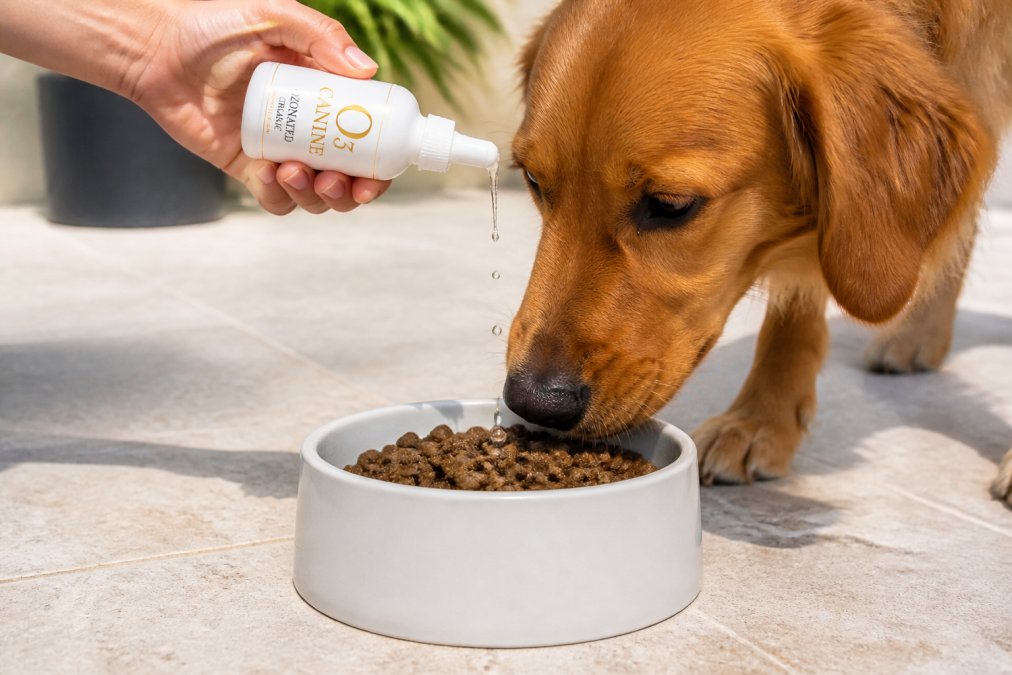
The mechanism behind ozonated oil's effectiveness lies in its ability to increase oxygen availability at the cellular level and stimulate the immune system's natural regulatory pathways.
o3 Canine's K9 Oil is formulated specifically for dogs, with a palatable taste that most dogs consume willingly when mixed into their food. The oil supports gut health, joint support, and skin hydration simultaneously, addressing multiple aspects of canine wellness from a single daily supplement. For dogs with breed-specific allergy predispositions, such as Bulldogs, Golden Retrievers, and German Shepherds, early supplementation with ozonated oil can help prevent chronic skin conditions from developing.

Environmental Allergen Management and Prevention
While topical remedies and internal support address existing skin irritation, preventing exposure to environmental allergens stops new flare-ups before they start. Common environmental allergens include dust mites, pollen, mold spores, and grass. Dogs with atopic dermatitis often react to multiple environmental triggers simultaneously, making complete avoidance impossible. Instead, focus on reducing overall allergen burden in your dog's immediate environment.
Practical allergen reduction strategies:
- Wash your dog's bedding weekly in hot water to eliminate dust mites and allergen accumulation
- Use air purifiers with HEPA filtration in spaces where your dog spends the most time
- Bathe your dog after outdoor time during high pollen seasons to remove allergens from the coat
- Consider keeping your dog indoors during peak pollen hours (typically early morning and evening)
- Vacuum frequently with a HEPA-filter vacuum to reduce indoor allergen levels
- Wipe your dog's paws after outdoor time to prevent tracking allergens throughout the home
For dogs with flea allergy dermatitis, consistent flea prevention becomes critical (aaha.org). Even a single flea bite can trigger a severe allergic reaction in sensitive dogs. Work with your veterinarian to establish a year-round flea prevention protocol appropriate for your dog's age, weight, and health status.
Safety Precautions and When to Seek Veterinary Care
Natural remedies offer significant benefits, but they're not appropriate replacements for veterinary care when serious conditions develop. Understanding safety precautions and recognizing warning signs prevents complications and ensures your dog receives proper treatment when needed.
Safety precautions for natural remedies:
- Always dilute essential oils and vinegar products according to recommended ratios; undiluted applications can cause chemical burns
- Introduce new remedies gradually over 5-7 days to monitor for adverse reactions
- Avoid remedies if your dog has open wounds, unless specifically directed by your veterinarian
- Never use human-grade aloe vera products, which may contain additives toxic to dogs
- Ensure your dog cannot ingest topical remedies designed for external application only
- Monitor for signs of allergic reaction to the remedy itself, such as increased itching or swelling
When to seek immediate veterinary care:
- If your dog develops severe swelling, hives, or difficulty breathing after any remedy application
- If skin lesions become infected, showing signs of pus, warmth, or spreading inflammation
- If your dog develops secondary bacterial infection indicated by crusty lesions or foul odor
- If itching intensifies rather than improves after 2-3 weeks of consistent remedy use
- If your dog stops eating or shows signs of gastrointestinal distress
- If your dog's condition interferes with sleep, daily function, or quality of life
Your veterinarian can perform allergy testing to identify specific triggers, prescribe appropriate medications when natural remedies prove insufficient, and rule out underlying conditions like hypothyroidism or autoimmune disorders that can mimic allergic responses. Natural remedies excel at supporting long-term skin health and reducing symptom severity, while conventional treatments address acute flare-ups or severe cases.
Managing natural remedies for dog skin allergies requires patience, consistency, and willingness to adjust your approach based on your dog's individual response. The remedies outlined here address both symptom relief and underlying causes. o3 Canine's K9 Oil provides the internal support component that many topical remedies cannot achieve, delivering whole-body immune and gut health benefits that reduce skin irritation from within. Start with the remedies most relevant to your dog's specific triggers, maintain consistency for at least 3-4 weeks before evaluating effectiveness, and work with your veterinarian to ensure your dog's allergic response receives appropriate professional oversight alongside natural care.
Frequently Asked Questions
Q: How long does it take to see results from natural remedies for dog skin allergies?
A: Most dogs show improvement in itching and skin irritation within 2-4 weeks of consistent natural remedy application, though results vary by severity and individual response. Topical treatments like oatmeal baths and coconut oil may provide immediate relief during application, while internal support through supplements like ozonated oil typically requires 4-6 weeks for noticeable changes in coat quality and reduced inflammation. Patience and consistency are essential, as skin barrier function takes time to restore.
Q: Can ozonated oil help with both skin itching and coat quality?
A: Yes. Ozonated oil supports skin health through multiple mechanisms: it promotes immune system function, strengthens skin barrier function through fatty acid supplementation, and supports gut health, which directly influences dermal irritation and inflammation. Dogs receiving ozonated oil regularly report fuller, softer coats alongside reduced scratching. The oil's antioxidant properties and omega-3 content address both symptom management and underlying causes of allergic responses.
Q: Is ozonated oil safe for dogs with sensitive stomachs and digestive issues?
A: Ozonated oil is generally safe for sensitive dogs when introduced gradually. Start with a small amount mixed into food and increase over 1-2 weeks to allow your dog's digestive system to adjust. Most dogs tolerate the supplement well because it supports gut health rather than irritating it. However, consult your veterinarian before starting any supplement, especially if your dog is on medication for digestive issues or allergies.
Q: What breed-specific factors should I consider when treating dog skin allergies naturally?
A: Certain breeds show higher predisposition to atopic dermatitis and flea allergy dermatitis: Golden Retrievers, Labrador Retrievers, Bulldogs, and German Shepherds are commonly affected. These breeds may benefit from year-round allergen management and preventive supplementation rather than reactive treatment. Breed-specific grooming practices also matter, frequent bathing in water-prone breeds can worsen pruritus, while breeds with dense coats need more thorough environmental allergen removal during shedding seasons.
This article was written using GrandRanker
