

Table of Contents
- What Causes Itchy Skin in Dogs
- Dog Skin Allergy Symptoms: How to Recognize the Problem
- Key Ingredients That Support Skin Health
- Omega-3 for Dogs Itchy Skin: Why It Matters
- Top Supplements for Itchy Dog Skin
- How Long for Dog Skin Supplements to Work
- Breed-Specific Skin Predispositions and Supplement Selection
- Drug-Supplement Interactions and Safety Considerations
Last Updated: August 16, 2026
What Causes Itchy Skin in Dogs
Itchy skin in dogs stems from multiple sources: environmental allergens, food sensitivities, parasites, bacterial or yeast infections, and dry skin from poor coat nutrition. Environmental allergens like pollen and dust mites cause seasonal or year-round inflammation. Food sensitivities develop when a dog's digestive system struggles to process specific ingredients like chicken, beef, wheat, or corn. Parasites like fleas and mites are obvious triggers but often overlooked even when preventatives are in place. Yeast and bacterial overgrowth thrive in warm, moist skin folds and typically signal an underlying immune or gut imbalance.
Dry skin is frequently a symptom of nutritional deficiency rather than a standalone condition. When dogs lack adequate omega-3 fatty acids, biotin, and zinc, their skin barrier weakens and itching intensifies. This is where supplements for itchy dog skin becomes critical, they address the internal foundation that prevents excessive scratching and promotes healing from within.
Dog Skin Allergy Symptoms: How to Recognize the Problem
Dog skin allergy symptoms manifest predictably, and catching them early makes treatment far more effective. The most obvious sign is excessive licking, chewing, or scratching at paws, ears, face, or body, often returning to the same spots repeatedly until raw patches appear.
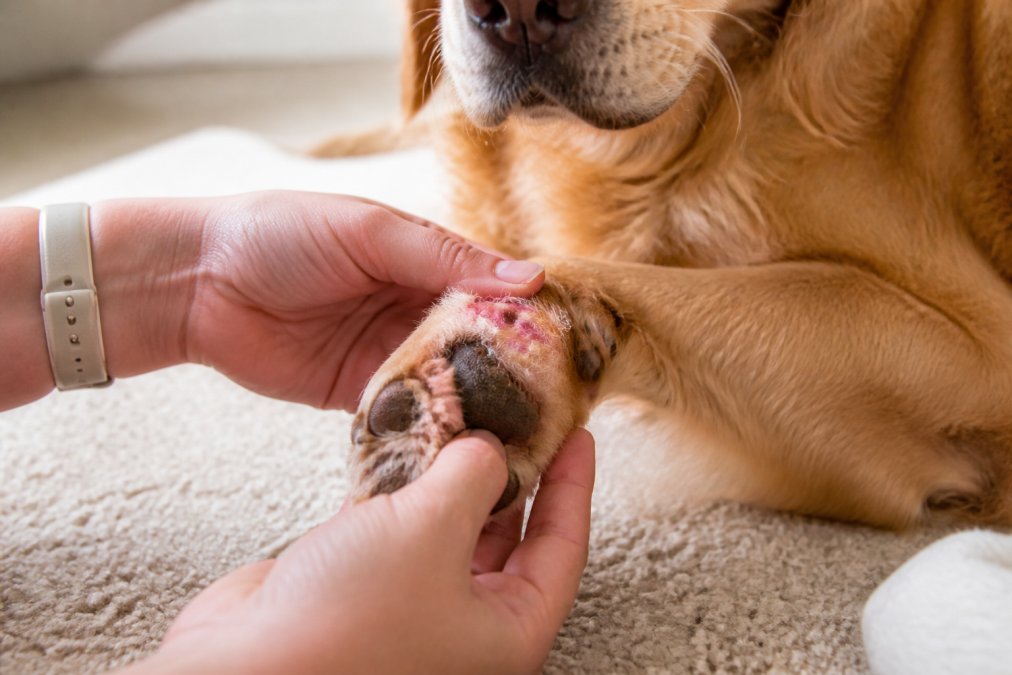
Watch for hair loss in patches around the ears, paws, and tail base. Red or inflamed skin, scaly patches, and flaky coat indicate inflammation. Some dogs develop a musty odor from yeast overgrowth, or their ears become warm and waxy. Behavioral changes matter too: a dog that seems restless or unable to settle may be experiencing chronic discomfort. Secondary infections often develop when constant scratching breaks the skin barrier, resulting in pustules, crusting, or weeping sores. Many owners mistake these symptoms for simple dryness and reach for topical treatments alone, missing the systemic support that supplements for itchy dog skin provide.
Key Ingredients That Support Skin Health
Effective supplements for itchy dog skin contain specific nutrients that work synergistically to reduce inflammation, strengthen the skin barrier, and support immune function.
Omega-3 Fatty Acids and EPA/DHA
Omega-3 fatty acids, particularly EPA and DHA, are the cornerstone of any skin support protocol. These polyunsaturated fats reduce histamine production, the compound responsible for itching, and decrease inflammatory responses throughout the body. EPA specifically targets skin inflammation, while DHA supports the nervous system and may reduce stress-related itching.
Dogs cannot synthesize omega-3s efficiently, making dietary sources essential. Fish oil provides both EPA and DHA in bioavailable forms that dogs absorb readily. Algae-based omega-3s serve as alternatives for dogs with fish sensitivities, though they're typically less concentrated. Consistent dosing is key; sporadic supplementation won't build the anti-inflammatory protection that resolves chronic itching.
Biotin, Zinc, and Vitamin E
Biotin is a B-vitamin essential for keratin production, the protein that forms healthy skin and hair. Zinc supports immune function and skin barrier integrity; deficiency manifests as poor wound healing and persistent itching. Vitamin E acts as an antioxidant, protecting skin cells from oxidative stress. These three nutrients work best when combined, as each supports the others' effectiveness.
Probiotics and Gut Health Support
The gut-skin connection is profound. A healthy microbiome supports immune tolerance, reduces systemic inflammation, and prevents bacterial translocation that triggers skin reactions. Probiotics introduce beneficial bacteria; prebiotics feed those bacteria so they thrive. Dogs with itchy skin often have dysbiosis favoring harmful bacteria and yeast. Colostrum, the nutrient-dense first milk from mammals, contains immunoglobulins and growth factors that seal intestinal permeability and reduce inflammatory triggers.
Omega-3 for Dogs Itchy Skin: Why It Matters
Omega-3 for dogs itchy skin deserves dedicated attention because it's the single most researched and effective nutrient for reducing pruritus. Omega-3 fatty acids compete with omega-6 fatty acids for incorporation into cell membranes. Since most commercial dog foods are omega-6 dominant, supplementing omega-3 rebalances this ratio, reducing pro-inflammatory eicosanoids.
This rebalancing doesn't happen overnight. Most dogs require 4 to 8 weeks of consistent omega-3 supplementation before noticeable improvement in itching and coat quality. Some see results within 2 to 3 weeks, while others need 12 weeks for full benefits. Consistency matters more than dosage; irregular supplementation won't establish the anti-inflammatory state needed for relief.
Fish oil from cold-water fish like salmon and sardines contains higher EPA and DHA concentrations than plant-based sources. Ozonated oils, like those in o3 Canine K9 Oil, add an additional mechanism: ozone enhances oxygen availability at the cellular level, potentially accelerating the anti-inflammatory response and supporting the skin barrier more comprehensively than standard fish oil alone.

Top Supplements for Itchy Dog Skin
1. o3 Canine K9 Oil: All-Natural Ozonated Oil
o3 Canine K9 Oil stands apart because it combines omega-3 fatty acids with ozonated oil technology, a dual mechanism that addresses itching from multiple angles. The ozonation process increases oxygen saturation in the oil, enhancing cellular metabolism and immune response at the skin level. Dogs love the taste, a critical advantage for picky eaters who reject bitter fish oil capsules.
The product is designed for easy administration: simply add it to your dog's meal. No capsules to hide, no struggle with a resistant dog. The palatable formula means consistent daily dosing, essential for sustained results. At $26.00 per bottle, o3 Canine K9 Oil represents premium positioning, but the combination of ozonated delivery and proven palatability justifies the investment for owners seeking visible results.
Pros:
- Dogs consistently accept the taste without resistance
- Ozonated formula supports oxygen delivery to skin cells
- Easy to administer mixed into food
- Supports gut health, joint health, and coat quality beyond skin
Cons:
- Premium pricing compared to basic fish oil supplements
- Requires consistent daily administration for results
- Results typically visible after 4 to 8 weeks
2. Fish Oil and Omega-3 Supplements
Standard fish oil supplements remain the most accessible option for omega-3 supplementation. They're widely available, affordable, and effective for many dogs. The challenge is palatability: most fish oils smell and taste distinctly fishy, which some dogs accept and others reject.
Fish oil comes in capsules, liquids, and powders. Capsules are convenient but difficult to administer to dogs who won't swallow pills. Liquids allow precise dosing but require mixing into food. Powders offer flexibility but often contain fillers that reduce active omega-3 concentration.
The critical factor is EPA and DHA content per dose. A quality fish oil should provide at least 300-500 mg combined EPA and DHA per serving. Cheaper options might deliver only 100-200 mg, requiring double or triple dosing to achieve therapeutic effect.
Pros:
- Widely available and affordable
- Proven track record for reducing inflammation
- Multiple delivery formats accommodate different preferences
- Third-party testing available from reputable brands
Cons:
- Poor palatability for many dogs
- Risk of rancidity if stored improperly
- Lower bioavailability compared to ozonated formulations
- Requires consistent administration for visible results
3. Collagen and Hyaluronic Acid Formulas
Collagen supplements provide amino acids, particularly glycine and proline, that support skin structure and elasticity. Hyaluronic acid binds water within skin tissue, maintaining hydration and supporting the skin barrier. Together, they address the structural integrity of skin rather than just reducing inflammation.
These supplements work best as complementary support alongside omega-3 fatty acids. They don't reduce itching directly but prevent further deterioration of skin quality and support faster healing of damaged areas. Hydrolyzed collagen (collagen peptides) is more bioavailable than whole collagen. Quality formulas combine both ingredients with vitamin C, which is necessary for collagen synthesis.
Pros:
- Supports skin barrier recovery and elasticity
- Generally well-tolerated with few side effects
- Improves coat appearance and texture
- Works synergistically with omega-3 supplements
Cons:
- Results take 8 to 12 weeks to become visible
- More expensive than basic fish oil
- Doesn't directly reduce itching; works on underlying structure
- Requires consistent daily dosing
4. Turmeric and Antioxidant Blends
Turmeric contains curcumin, a potent anti-inflammatory compound. When combined with black pepper (which contains piperine), bioavailability increases significantly. Antioxidant blends often include quercetin and resveratrol that reduce oxidative stress and histamine production.
These supplements work through a different mechanism than omega-3s: they directly inhibit inflammatory pathways. For dogs with acute flare-ups or severe inflammation, turmeric-based supplements can provide faster relief than omega-3s alone. The challenge is dosage, turmeric requires consistent daily administration in adequate amounts to be effective.
Pros:
- Potent anti-inflammatory action
- Works through different mechanism than omega-3s
- Can be combined with other supplements for synergistic effect
- Generally safe with minimal side effects
Cons:
- Requires higher doses than many owners expect
- Results vary significantly between individual dogs
- Can stain teeth and coat yellow with prolonged use
- May interact with certain medications
How Long for Dog Skin Supplements to Work
How long for dog skin supplements to work depends on the supplement type, severity of itching, and your dog's individual metabolism.
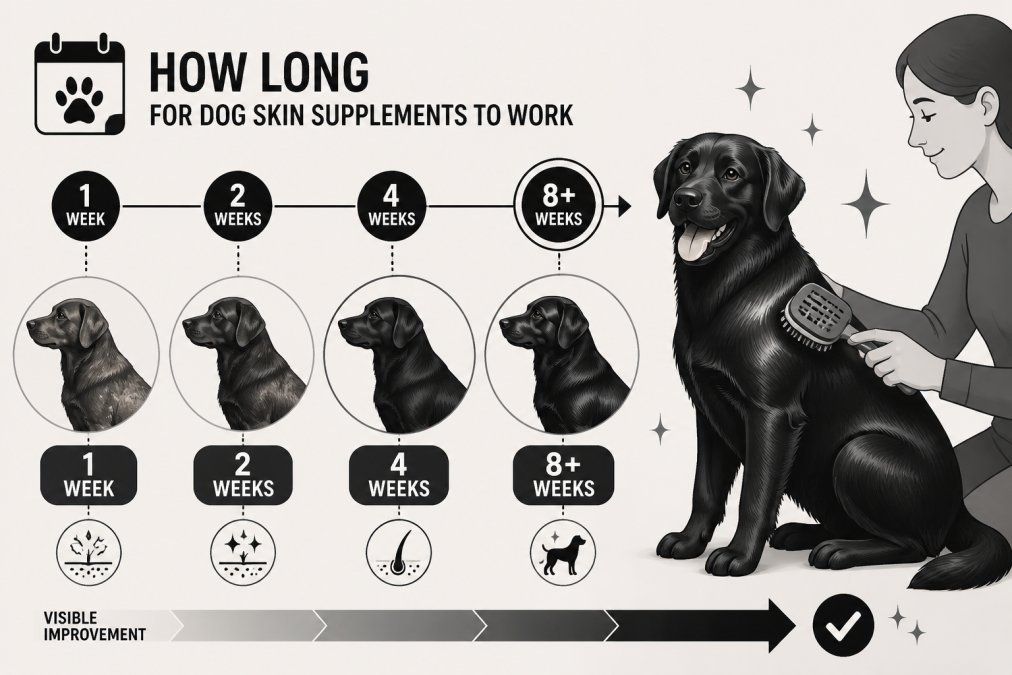
Omega-3 supplements typically show initial results within 2 to 4 weeks, though full benefits often take 8 to 12 weeks. You'll notice reduced scratching frequency first, followed by improved coat texture and reduced redness. This timeline assumes consistent daily dosing; gaps in supplementation reset progress.
Turmeric and antioxidant supplements work faster for acute inflammation, with some owners reporting reduced itching within 7 to 10 days. Collagen and hyaluronic acid work slowly, showing visible improvements only after 10 to 12 weeks. The variability reflects differences in individual dogs and ongoing allergen exposure.
Many owners switch supplements too quickly. Commit to at least 8 weeks with any supplement before evaluating effectiveness.
Breed-Specific Skin Predispositions and Supplement Selection
Certain breeds have genetic predispositions to skin conditions. Golden Retrievers and Labrador Retrievers are prone to atopic dermatitis and benefit significantly from omega-3 supplementation. German Shepherds often develop yeast overgrowth; they need probiotics and gut-supporting ingredients alongside omega-3s.
Bulldogs, Pugs, and other short-coated breeds with skin folds are susceptible to bacterial and yeast infections. For these breeds, supplements supporting immune function and gut health, like those containing colostrum and multi-strain probiotics, are particularly valuable. West Highland White Terriers and Schnauzers have naturally dry, sensitive skin; they benefit from collagen and hyaluronic acid alongside omega-3s.
Shar-Peis face chronic moisture and bacterial issues in their deep wrinkles. Their supplement regimen should prioritize probiotics, immune support, and anti-inflammatory ingredients. Understanding your dog's breed predispositions allows you to select supplements addressing genetic vulnerabilities rather than just treating symptoms.
Drug-Supplement Interactions and Safety Considerations
Before starting any supplement, understand potential interactions with medications your dog is already taking. This is especially critical if your dog is on prescription allergy medications, immunosuppressants, or blood thinners.
Omega-3 supplements, particularly in high doses, have mild anticoagulant properties. If your dog is on warfarin or other blood thinners, discuss omega-3 supplementation with your veterinarian. The interaction is typically manageable with dosage adjustment.
Turmeric supplements can interact with certain diabetes medications and NSAIDs. Curcumin may potentiate the effects of these drugs, requiring dose adjustments. If your dog is on any chronic medication, consult your veterinarian before introducing turmeric-based supplements.
Probiotic supplements are generally safe but can cause temporary digestive upset during the first week. Start with a lower dose and gradually increase. If your dog is on antibiotics, wait at least 2 hours after the antibiotic dose before giving probiotics.
Colostrum supplements are safe for most dogs but may cause mild diarrhea initially, typically resolving within 3 to 5 days. If your dog has a known dairy allergy, choose non-dairy sources or avoid it entirely.
The safest approach is transparency with your veterinarian. Bring a list of any supplements you're considering, including specific ingredients and doses.
Chronic itching significantly impacts your dog's quality of life. The right supplement addresses root causes, inflammation, nutritional deficiency, and immune imbalance, rather than just masking symptoms. o3 Canine K9 Oil combines ozonated omega-3 delivery with proven palatability, making it a reliable choice for owners seeking consistent results without the struggle of capsules or bitter liquids. Start with 8 weeks of consistent daily dosing, monitor for improvements in scratching frequency and coat quality, and adjust based on your individual dog's response. Your veterinarian should oversee the process, especially if your dog is on existing medications.
Frequently Asked Questions
What's the difference between ozonated oil supplements and traditional fish oil for itchy dog skin?
Ozonated oils like o3 Canine K9 Oil work through a different mechanism than fish oil. While fish oil delivers omega-3 fatty acids (EPA and DHA) that reduce inflammation, ozonated oils support skin health through enhanced oxygen delivery and immune system activation. Both approaches address itching, but ozonated oils are often more palatable and easier to administer since they mix seamlessly into food. Many dogs reject fish oil due to taste, making compliance difficult over the long term.
How long does it take for dog skin supplements to work?
Most dogs show initial improvement within 2-4 weeks, though full results typically appear after 6-8 weeks of consistent supplementation. Skin barrier function takes time to rebuild. Some owners notice reduced licking and scratching within the first two weeks, while coat luster and visible skin healing develop more gradually. Results vary based on the severity of the condition, the dog's breed, and underlying causes like food sensitivities or environmental allergens. Consistency is critical, skipping doses delays progress.
Can supplements for itchy dog skin interact with my dog's allergy medications?
Most natural supplements are safe alongside allergy medications, but interactions are possible. Omega-3 supplements can enhance blood thinning effects if your dog takes anticoagulants. Turmeric-based supplements may interact with certain diabetes or blood pressure medications. Always inform your veterinarian about any supplements you're considering, especially if your dog is on prescription medications for allergies, immune conditions, or chronic illness. Your vet can review the specific ingredients and dosages to confirm safety.
What symptoms indicate my dog has a skin allergy rather than a simple itch?
Allergic skin conditions in dogs often show persistent scratching, licking, or chewing at the same areas over weeks or months. Look for redness, scaly skin, hair loss, hot spots, or a distinctive musty odor. Dogs with atopic dermatitis frequently have itching around the paws, face, ears, and underarms. You may also notice seasonal patterns if environmental allergens trigger the response. If itching persists beyond two weeks or worsens despite home care, consult your veterinarian to rule out infections or food sensitivities that require different treatment approaches.
Is o3 Canine K9 Oil safe for dogs with sensitive or upset stomachs?
Yes, o3 Canine K9 Oil is designed for dogs with sensitive digestive systems. The all-natural ozonated formula is gentle and mixes easily into food without causing digestive upset. In fact, supporting gut microbiome health through proper supplementation often improves digestion over time. If your dog has severe digestive issues, introduce the supplement gradually over 5-7 days by mixing small amounts into meals, allowing the digestive system to adjust. Most dogs tolerate it immediately, but a gradual transition ensures optimal comfort and compliance.
This article was written using GrandRanker
