

Table of Contents
- Why Your Dog Needs a Coat Supplement
- Why Is My Dog Shedding So Much?
- Key Ingredients in the Best Coat Supplements
- Omega-3 for Dogs Skin and Coat Health
- How to Improve Dog Coat Health: A Practical Approach
- Top Coat Supplement for Dogs: o3 Canine K9 Oil
- What to Look for When Choosing a Coat Supplement
- Conclusion
Last Updated: August 22, 2026
Why Your Dog Needs a Coat Supplement
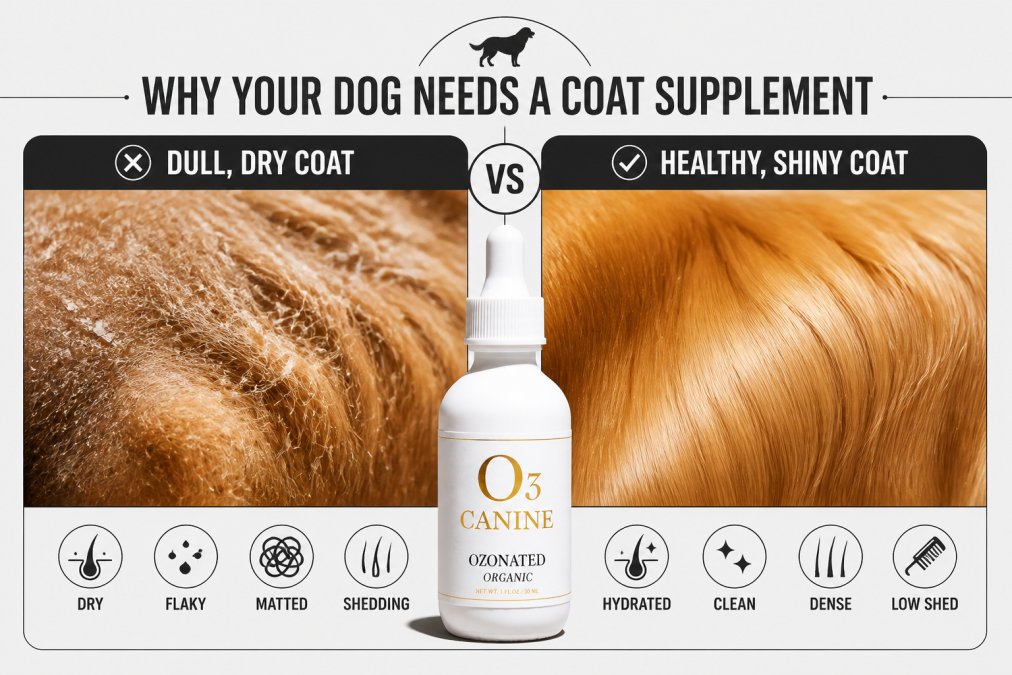
A dull, itchy coat isn't just a cosmetic issue, it's often your dog's way of signaling that something's missing nutritionally. The best coat supplement for dogs addresses the root causes of poor skin and coat health by delivering essential fatty acids, vitamins, and minerals directly into your dog's system. Without these nutrients, even the most expensive grooming routine won't fix what's happening underneath.

Dogs need specific micronutrients to maintain dermal health and coat luster (aafco.org). Omega-3 fatty acids, biotin, vitamin E, and zinc work together to support skin barrier function, reduce inflammation, and promote hair growth. When these are deficient, you see the telltale signs: excessive shedding, dry patches, itching, and that dull, lifeless appearance that makes owners reach for supplements in the first place.
The right coat supplement for dogs does more than improve appearance. It calms skin irritation, reduces the constant scratching and licking that keeps dogs uncomfortable, and supports the immune system from the inside out. Many dog owners find that addressing nutrition internally produces faster, more lasting results than topical treatments alone.
Why Is My Dog Shedding So Much?
Excessive shedding typically signals one of three underlying issues: nutritional deficiency, environmental stress, or underlying skin conditions. The most common culprit is a lack of essential fatty acids and biotin, which are critical for maintaining healthy skin and reducing inflammation that triggers increased shedding.
Dogs with deficient linoleic acid and omega-3 fatty acid intake often shed year-round rather than just during seasonal transitions (peer-reviewed research). These fatty acids maintain the lipid profile of skin cells, keeping the dermal barrier intact. When that barrier breaks down, skin becomes irritated, hair follicles weaken, and shedding accelerates.
Seasonal shedding is normal, most dogs shed heavily in spring and fall. But if your dog sheds constantly, loses patches of fur, or scratches so much that hair falls out, you're looking at a nutritional or dermatological issue that a coat supplement for dogs can help address. Some breeds, particularly those with double coats like Golden Retrievers and German Shepherds, are prone to heavier shedding and benefit significantly from targeted supplementation.
Allergies and food sensitivities also drive excessive shedding. Dogs with pruritus (chronic itching) often have compromised gut health, which affects nutrient absorption. A supplement that supports gut balance and reduces inflammation addresses both the symptom and the underlying cause.
Key Ingredients in the Best Coat Supplements
Not all coat supplements are created equal. The best coat supplement for dogs contains specific, bioavailable ingredients that actually reach the skin and coat rather than passing through the digestive system unused.
Omega-3 Fatty Acids and Linoleic Acid
Omega-3 fatty acids are the foundation of any effective coat supplement for dogs. These polyunsaturated fats reduce inflammation throughout the body, including in the skin. Fish oil and flaxseed are common sources, though fish oil delivers higher bioavailability because dogs absorb marine-based omega-3s more efficiently than plant-based alternatives.
Linoleic acid, an omega-6 fatty acid, works alongside omega-3s to maintain skin barrier function. The ratio matters, too much omega-6 without sufficient omega-3 can actually increase inflammation. The best formulations balance both, typically at a ratio that favors anti-inflammatory support.
Dogs with allergies or chronic skin irritation see the most dramatic improvements from omega-3 supplementation because these fatty acids actively suppress the inflammatory cascade that drives itching and skin damage. Many owners report visible improvements within 3-4 weeks of consistent use (peer-reviewed research).
Biotin, Vitamin E, and Antioxidants
Biotin is the B-vitamin most directly tied to coat quality. It strengthens hair follicles, reduces breakage, and promotes faster hair growth. Dogs deficient in biotin often have thin, brittle coats that shed excessively.
Vitamin E acts as a powerful antioxidant, protecting skin cells from oxidative damage and supporting the skin's natural repair processes. Antioxidants in general, including vitamins C and selenium, combat free radical damage that accelerates skin aging and coat deterioration.
Zinc plays a critical role in skin health, immune function, and wound healing. Deficient zinc leads to poor coat quality, increased susceptibility to skin infections, and delayed healing of any skin damage from scratching or irritation.
Omega-3 for Dogs Skin and Coat Health
Omega-3 fatty acids deserve their own section because they're the single most impactful ingredient in coat supplements for dogs. These essential fats cannot be synthesized by your dog's body, they must come from food or supplementation.
The mechanism is straightforward: omega-3s reduce systemic inflammation, which directly translates to calmer skin, less itching, and healthier hair growth. Dogs with inflammatory skin conditions, allergies, or chronic itching experience the most dramatic improvements because omega-3s address the root inflammatory process driving their discomfort.
Omega-3 supplementation also supports immune health and gut balance, which indirectly improves coat quality. A healthier gut absorbs more nutrients, which means better overall nutrition reaches the skin and coat. This is why the best coat supplements for dogs combine omega-3s with probiotics or other gut-supporting ingredients.
The bioavailability of omega-3s matters tremendously. Fish oil-based supplements deliver EPA and DHA directly, while plant-based sources like flaxseed must be converted by the dog's body, a process that's inefficient and inconsistent. For visible coat improvements, fish oil-based formulations consistently outperform plant-based alternatives.
How to Improve Dog Coat Health: A Practical Approach
Improving your dog's coat health requires a multi-pronged approach. Supplementation is one piece, but consistency, breed considerations, and ruling out underlying conditions matter equally.
Start with the basics. Before adding a supplement, ensure your dog is eating a high-quality diet with adequate protein and fat. Poor-quality kibble with insufficient omega-3s and micronutrients won't be fixed by adding a supplement on top of a bad foundation.
Introduce supplements gradually. Add a coat supplement for dogs slowly over 5-7 days to allow the digestive system to adjust. Some dogs experience loose stools if introduced too quickly, particularly if they have sensitive guts.
Be consistent. Coat improvements take time. Most dogs show visible changes in coat texture and shedding within 4-6 weeks of consistent daily supplementation, but full results typically appear after 8-12 weeks. Skipping doses or stopping early prevents you from seeing the full benefit.
Consider breed-specific needs. Double-coated breeds like Golden Retrievers, German Shepherds, and Huskies have naturally higher nutritional demands for coat maintenance. These breeds typically benefit from year-round supplementation rather than seasonal use.
Rule out allergies and medical conditions. If your dog has severe skin irritation, hair loss, or persistent itching despite supplementation, consult your veterinarian. Allergies, fungal infections, or other dermatological conditions may require veterinary treatment alongside supplementation.
Monitor for interactions. If your dog is on medications, particularly blood thinners or anti-inflammatory drugs, discuss supplementation with your vet. Omega-3s have mild anticoagulant properties, and combining them with certain medications requires professional guidance.
Top Coat Supplement for Dogs: o3 Canine K9 Oil
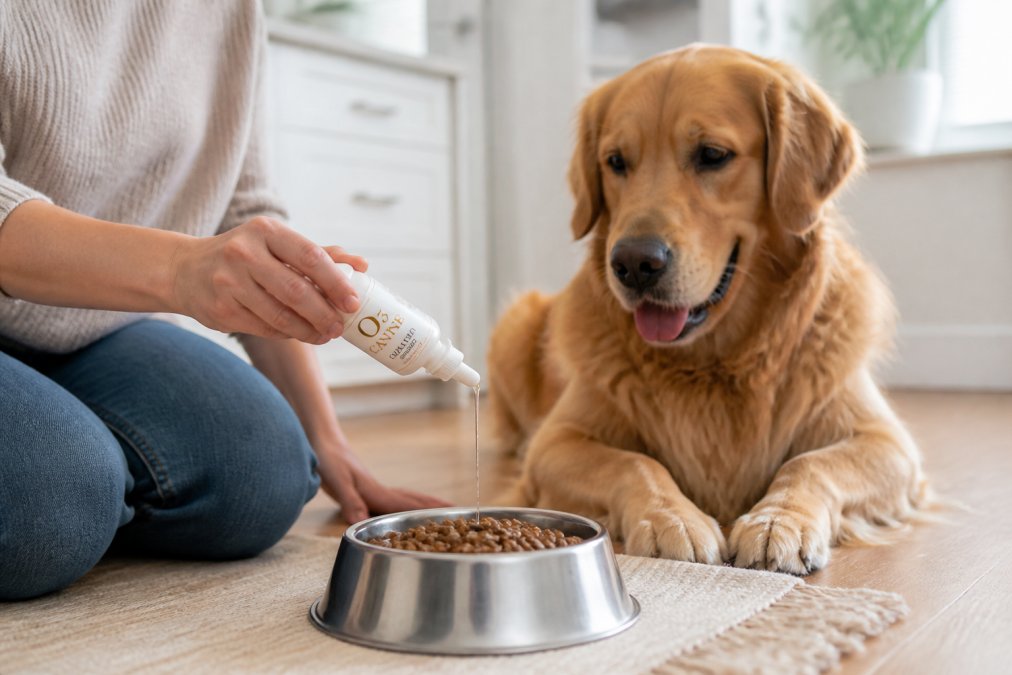
o3 Canine K9 Oil stands out as the best coat supplement for dogs because it combines all-natural ozonated oil with exceptional palatability and proven results. Unlike powder supplements that many picky eaters refuse, the K9 Oil is designed to be mixed directly into food, most dogs actually enjoy eating it.
The formulation delivers comprehensive support for skin health, coat quality, and immune function. By supporting gut health and promoting immune balance, o3 Canine addresses the internal factors driving poor coat quality rather than just treating symptoms. Dogs on the supplement consistently show reduced shedding, softer coats, and calmer skin within 4-6 weeks.
What sets o3 Canine apart is the ozonated oil base. Ozonation increases the bioavailability of nutrients and enhances the supplement's ability to support skin barrier function and reduce inflammation. The all-natural formulation means no artificial additives, fillers, or questionable ingredients, just pure, effective support.
The K9 Oil is priced at $26.00, making it accessible for most dog owners while still delivering premium-quality supplementation. Given the visible coat improvements and the reduction in skin-related issues most owners report, the cost per day is minimal compared to the alternative of dealing with chronic itching, excessive shedding, and potential veterinary bills for skin infections.
Administering the supplement is effortless. Simply add the recommended dose to your dog's regular food once daily. There's no mixing powder, no pills to hide, no mess. For dogs with sensitive guts, the ozonated oil base is gentler than many fish oil supplements, reducing the likelihood of digestive upset.
What to Look for When Choosing a Coat Supplement
Not every coat supplement for dogs delivers results. Knowing what to evaluate helps you avoid wasting money on ineffective products.
Check the ingredient list. The best coat supplements for dogs list omega-3 fatty acids (ideally fish oil), biotin, vitamin E, and zinc prominently. If these ingredients are buried near the bottom of the list, the product likely contains insufficient amounts to produce noticeable results. Avoid supplements with excessive fillers, artificial flavors, or unclear ingredient sourcing.
Verify bioavailability. Some supplements use cheap forms of nutrients that dogs can't absorb effectively. Fish oil-based omega-3s are more bioavailable than flaxseed. Chelated zinc and biotin are more readily absorbed than non-chelated forms. The product label should indicate if nutrients are in bioavailable forms.
Look for third-party testing. Reputable manufacturers have their products tested by independent labs to verify ingredient quality and purity. If a product doesn't mention third-party testing, that's a red flag.
Consider palatability. A supplement that your dog refuses to eat is worthless. The best coat supplements for dogs are ones your dog will actually consume consistently. Oils mixed into food are generally more palatable than powders or pills.
Check for allergy-friendly options. If your dog has food sensitivities, ensure the supplement avoids common allergens like chicken, beef, grains, or soy. Many dogs with coat issues also have underlying allergies, so an allergy-friendly supplement prevents triggering additional problems.
Review customer feedback. Real owner experiences reveal whether a coat supplement for dogs actually delivers visible results or just makes marketing claims. Look for reviews mentioning specific improvements: reduced shedding, softer coat texture, calmer skin, less itching.
Evaluate dosing requirements. Some supplements require multiple doses daily, while others work with a single daily serving. Consistency matters more than dose complexity, a once-daily supplement you'll remember to give is better than a twice-daily one you'll skip.
| Evaluation Criteria | What to Look For | Red Flags |
|---|---|---|
| Primary Ingredients | Omega-3s, biotin, vitamin E, zinc listed prominently | Fillers outweigh active ingredients; unclear sourcing |
| Bioavailability | Fish oil base; chelated minerals; third-party testing | Plant-based omega-3s only; non-chelated minerals |
| Palatability | Dogs eat it willingly; oil or soft chew format | Pills or powder; strong unpleasant smell |
| Allergen Profile | Free from common triggers (chicken, beef, grains) | Contains common allergens without clear labeling |
| Dosing | Once or twice daily; easy to administer | Complex dosing; multiple pills required |
| Customer Reviews | Specific improvements reported; repeat purchases | Generic praise; no mention of actual results |
Choosing the best coat supplement for dogs means prioritizing ingredients that actually work, ensuring your dog will take it consistently, and giving it enough time to produce visible results. o3 Canine K9 Oil delivers on all three fronts, comprehensive nutritional support in a palatable format that most dogs genuinely enjoy. Start with a consistent daily dose, expect to see improvements within 4-6 weeks, and watch as your dog's coat transforms from dull and shedding to soft, shiny, and healthy. Get started with o3 Canine and give your dog the internal nutritional foundation their coat deserves.
Frequently Asked Questions
How long does it take for a coat supplement to work on dogs?
Most dogs show visible improvements in coat quality within 4-8 weeks of consistent supplementation. Skin irritation and excessive shedding may improve within 2-3 weeks as the supplement supports skin barrier function and reduces inflammation. Results depend on the dog's age, diet, and the severity of existing coat or skin issues. Consistent daily administration is key to seeing sustained benefits.
What's the difference between omega-3 for dogs skin and coat versus other supplements?
Omega-3 fatty acids specifically reduce inflammation and support dermal health, making them essential for skin irritation and coat luster. While biotin and vitamin E support coat density and antioxidant protection, omega-3 addresses the root cause of many skin problems. The best coat supplements combine omega-3 with complementary ingredients like probiotics and zinc for comprehensive support of both skin hydration and coat quality.
Is o3 Canine K9 Oil safe for dogs with sensitive stomachs or allergies?
o3 Canine K9 Oil is an all-natural ozonated oil designed for dogs of every breed and sensitivity level. It supports gut health and immune function, making it suitable for dogs with digestive concerns. However, if your dog is on medication for allergies or has severe digestive issues, consult your veterinarian before introducing any new supplement to ensure there are no interactions with current treatments.
Can a coat supplement help with both shedding and skin itching?
Yes. Coat supplements that include omega-3 fatty acids, biotin, and probiotics address both issues by reducing inflammation, supporting skin barrier function, and promoting dermal health. Excessive shedding often stems from poor skin health and nutrient deficiencies, so a comprehensive supplement tackles the underlying cause rather than just one symptom. Results in reduced itching typically appear before visible improvements in coat thickness and shine.
This article was written using GrandRanker
