

Table of Contents
- What Makes a Dog Skin Supplement Actually Work
- Key Ingredients to Look for in Dog Skin Supplements
- Benefits of Ozonated Oil for Dogs
- Natural Dog Immune System Booster: Why Gut Health Matters for Skin
- How to Stop Dog from Licking Paws: Addressing the Root Cause
- Dosage, Safety, and When to Consult Your Veterinarian
- Conclusion
Last Updated: August 23, 2026
What Makes a Dog Skin Supplement Actually Work
The difference between a supplement that delivers results and one that sits unused in your cabinet comes down to three things: bioavailability, ingredient synergy, and consistent delivery. A dog skin supplement only works if your dog's body can absorb and use what's inside, if the ingredients work together, and if you can get your dog to take it every day.
Chronic itching, hot spots, and dull coats often signal inflammation deeper in the body, usually starting in the gut. When your dog's digestive system isn't balanced, it compromises the immune response, which manifests as skin irritation and excessive licking. This is where the gut-skin axis becomes critical.
o3 Canine approaches this problem by combining ozonated oil with herbal support designed to work from the inside out. The formula targets both immediate skin relief and long-term immune balance. Unlike topical treatments that mask symptoms, an effective dog skin supplement should reduce the inflammation driving the behavior in the first place.

The palatability factor matters more than most guides acknowledge. A supplement with perfect ingredients is worthless if your dog spits it out. The best dog skin supplements taste good enough that dogs eat them willingly, which means consistent dosing and actual results.
Key Ingredients to Look for in Dog Skin Supplements
When evaluating a dog skin supplement, focus on ingredients that have demonstrated effects on skin barrier function and immune regulation.
Core Ingredients for All Dogs
Omega-3 fatty acids, specifically EPA and DHA, reduce systemic inflammation and support dermal integrity. For general skin health, a daily dose of 100-200 mg combined EPA/DHA per 10 pounds of body weight is typical.
Biotin strengthens keratin production, improving coat luster and reducing flaky skin. Vitamin E acts as an antioxidant, protecting skin cells from oxidative stress. Probiotics are foundational to the gut-skin axis, regulating immune response and reducing allergic dermatitis. The best dog skin supplements include clinically-relevant probiotic strains (Lactobacillus acidophilus, Bifidobacterium longum, Enterococcus faecium) with colony-forming units (CFU) in the billions; anything under 1 billion CFU per dose is unlikely to meaningfully shift the microbiome (peer-reviewed research).
Zinc supports immune balance and wound healing. Dogs with chronic skin problems often show zinc malabsorption. Collagen peptides support skin elasticity and hydration from within. Ozonated oil increases oxygen bioavailability at the cellular level, enhancing nutrient absorption and reducing anaerobic bacterial growth that contributes to secondary infections.
Breed-Specific Ingredient Considerations
Certain breeds are genetically predisposed to skin issues and benefit from tailored supplement profiles:
French Bulldogs and other brachycephalic breeds face skin fold dermatitis and heat sensitivity. These dogs need higher concentrations of zinc and biotin, plus probiotics and anti-fungal support (like caprylic acid) to prevent yeast overgrowth in warm, moist skin folds.
Golden Retrievers and Labrador Retrievers are prone to atopic dermatitis and sebaceous gland dysfunction. These breeds benefit from elevated omega-3 dosing (150-250 mg combined EPA/DHA per 10 pounds) and supplements containing probiotics and prebiotic fiber to support the gut-skin axis more aggressively.
German Shepherds commonly develop perianal fistulas and generalized dermatitis linked to dysbiosis. Supplements for this breed should prioritize high-potency probiotics (5+ billion CFU per dose) and include L-glutamine to support intestinal barrier repair.
Bulldogs and Shar-Peis with pronounced skin folds need anti-fungal and anti-bacterial support. Look for supplements containing oregano oil, tea tree oil (in safe concentrations), or caprylic acid alongside probiotics.
Terrier breeds often develop seborrheic dermatitis and benefit from supplements emphasizing essential fatty acids and vitamin A to support sebaceous gland function.
Sourcing and Sustainability Transparency
Fish oil sourcing is critical. Supplements using wild-caught fish oil from sustainable fisheries (look for Marine Stewardship Council certification) are preferable to those from overfished stocks. Some premium brands now offer algae-based omega-3 alternatives, which provide EPA and DHA without depleting marine ecosystems.
Probiotic sourcing matters for efficacy. Probiotics derived from human-grade fermentation facilities tend to have higher viability and potency. Check whether CFU counts are guaranteed at the time of purchase.
Herbal ingredients should come from suppliers with transparent sourcing. Turmeric, ginger, and slippery elm sourced from certified organic farms without pesticide residue are preferable to conventional sources.
When comparing supplements, ask the manufacturer:
- Where is the fish oil sourced, and is it certified sustainable?
- Are probiotics viable at the time of purchase, or only at manufacture?
- Are herbal ingredients organic and pesticide-tested?
- What is the shelf life, and how should the supplement be stored?
Benefits of Ozonated Oil for Dogs
Ozonated oil works by increasing localized oxygen availability, which strengthens the skin barrier and reduces the inflammatory cascade that drives excessive licking. Controlled oxygenation supports healing, while oxidative stress damages it.
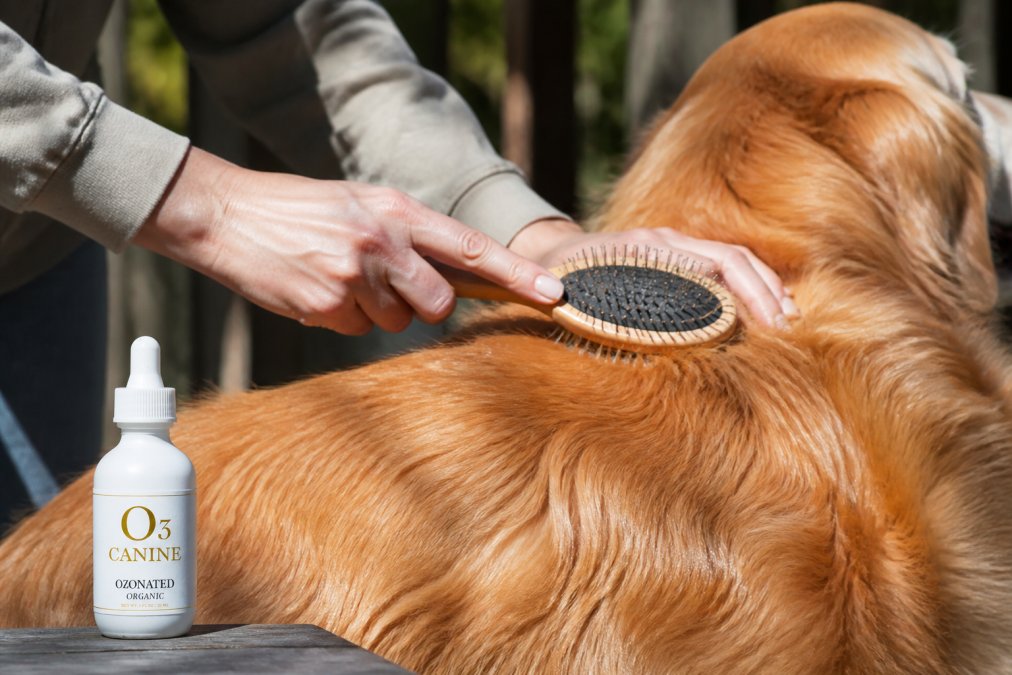
For dogs with chronic skin irritation, ozonated oil reduces pruritus by addressing both the symptom and the underlying immune imbalance. Coat quality improvements are visible, with fuller, softer coats reflecting improved systemic health.
Ozonated oil also supports gut health by promoting beneficial bacterial growth and reducing inflammatory markers in the intestinal tract. This addresses the root cause rather than treating symptoms, which is why results tend to be sustained.
The key advantage over standard fish oil supplements is bioavailability. Ozonated oil's molecular structure enhances absorption, meaning your dog gets more usable nutrition per dose.
Natural Dog Immune System Booster: Why Gut Health Matters for Skin
Roughly 70% of your dog's immune system lives in the gut lining (peer-reviewed research). When that barrier is compromised, pathogens and undigested proteins cross into the bloodstream, triggering systemic inflammation that manifests as skin problems. Treating skin issues topically while ignoring gut health fails because you're addressing the symptom while the root cause continues.
Probiotics are the foundation. Specific strains like Lactobacillus and Bifidobacterium reduce intestinal permeability and enhance nutrient absorption. When these strains are present in adequate numbers, they produce short-chain fatty acids that nourish the gut lining and reduce inflammatory cytokine production.
Prebiotics, insoluble fibers that feed beneficial bacteria, work synergistically with probiotics. Together, they create conditions where good bacteria thrive while pathogenic bacteria starve.
Herbal support complements the probiotic approach. Ingredients like slippery elm soothe the intestinal tract, while ginger and turmeric provide additional anti-inflammatory support. o3 Canine's formulation includes both probiotic support and herbal ingredients designed to work together. The ozonated oil base enhances absorption of all these components.
Consistency matters enormously. Gut healing takes 4-6 weeks of daily supplementation before you see skin improvement (peer-reviewed research). This is why palatability is non-negotiable; if your dog won't take it consistently, the supplement won't work.
How to Stop Dog from Licking Paws: Addressing the Root Cause
Excessive paw licking is almost always a symptom of underlying inflammation, not a behavioral problem. Your dog is responding to genuine discomfort.
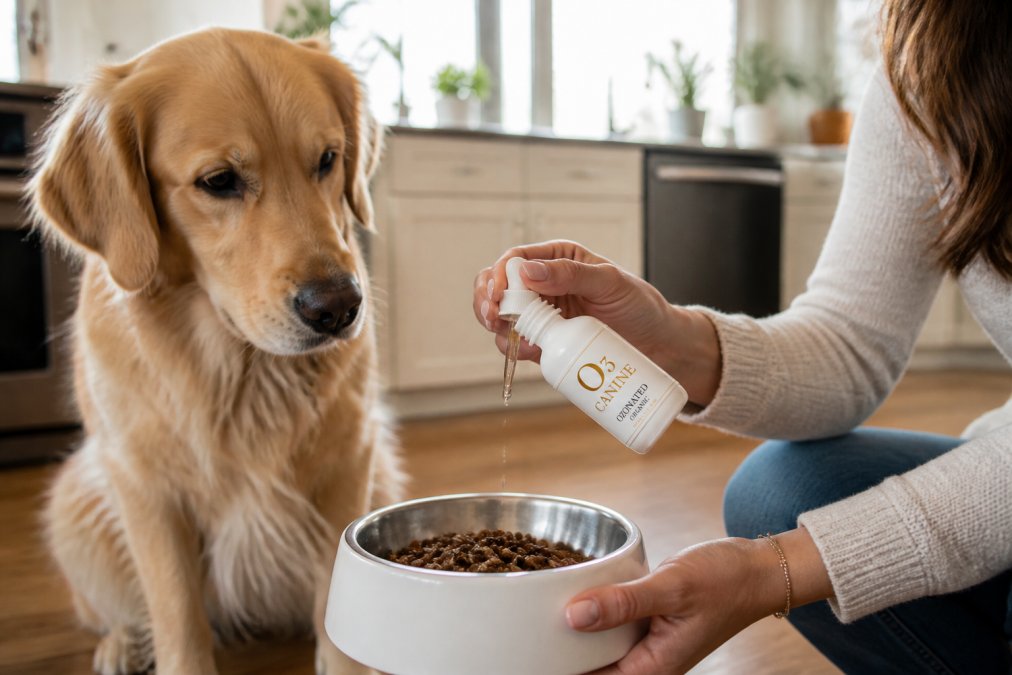
The first step is identifying the trigger. Is the licking seasonal (suggesting environmental allergies)? Constant (suggesting food sensitivity or poor gut health)? Localized to one paw (suggesting injury or infection)? Constant all-over licking points to systemic inflammation, which is where a dog skin supplement becomes the primary intervention.
Once you've ruled out injury or infection with your veterinarian, supplementation addresses the inflammation driving the behavior. A supplement containing omega-3 fatty acids, probiotics, and ozonated oil reduces the inflammatory signals that make licking feel necessary.
Environmental management during supplementation helps. Keep paws clean and dry, trim hair between pads, and consider protective booties if licking is severe. These are supporting measures; the supplement does the actual healing.
Consistency is everything. A dog that gets a supplement daily will show faster improvement than one on inconsistent dosing. This is why choosing a supplement your dog actually enjoys determines whether you'll stick with it long enough to see results.
Dosage, Safety, and When to Consult Your Veterinarian
Proper dosing depends on your dog's weight, the supplement's concentration, and the specific formulation. Most dog skin supplements recommend 1-2 milliliters per 10 pounds of body weight daily. Always follow the label dosing for the specific supplement you're using.
Supplements absorb better with food, so adding the supplement to a meal ensures maximum bioavailability. This is also where palatability becomes practical: if your dog loves the taste, they'll eat the entire meal including the supplement.
Drug-Supplement Interactions: What You Need to Know
If your dog is already on allergy or skin medications, understanding how supplements interact with those drugs is critical.
Apoquel (oclacitinib) suppresses specific immune pathways. When combined with omega-3 supplements, the anti-inflammatory effects can be complementary, but high-dose fish oil may potentiate the immunosuppressive effect. Probiotics are generally safe alongside Apoquel, but some veterinarians recommend spacing them 2-3 hours apart.
Cytopoint (lokivetmab) is a monoclonal antibody injection that targets IL-31. Unlike Apoquel, Cytopoint doesn't suppress broad immune function, making it safer to combine with most supplements. Adding herbal anti-inflammatories alongside Cytopoint is usually unnecessary.
Antihistamines like diphenhydramine or cetirizine are generally safe with skin supplements, but probiotics may slightly reduce antihistamine absorption if taken simultaneously. Separating doses by 1-2 hours minimizes this effect.
Antibiotics prescribed for secondary skin infections interact with probiotics. Wait 2-3 hours after an antibiotic dose before giving probiotics, or wait until the antibiotic course ends before starting probiotic supplementation.
Thyroid medications (levothyroxine) can be affected by high-dose supplements. Fish oil and some minerals may reduce thyroid hormone absorption if taken at the same time. Give supplements at least 4 hours apart from the thyroid dose.
Anticoagulants or blood thinners warrant caution with omega-3 supplements. High-dose fish oil has mild anticoagulant properties and could theoretically increase bleeding risk when combined with these medications. Discuss dosing with your vet.
Safety Considerations and Monitoring
Most dog skin supplements are well-tolerated, but some dogs experience temporary digestive adjustment when starting probiotics. This usually resolves within 3-5 days. If digestive upset persists beyond a week, discontinue and consult your veterinarian.
Consult your veterinarian before starting supplementation if your dog has:
- Active infections or open wounds
- Bleeding disorders or anticoagulant therapy
- Severe digestive disease
- Immunocompromised status
- Scheduled surgery within 2 weeks
- Existing prescription medications for skin, allergy, thyroid, or cardiovascular conditions
Your vet can also rule out conditions that look like allergies but require different treatment: thyroid dysfunction, mange, yeast infections, or food sensitivities.
Most dogs can safely take dog skin supplements long-term. Many owners find their dog needs supplementation indefinitely to maintain skin health, similar to how humans might take vitamin D or probiotics long-term.
Monitor your dog's response. Improvement in coat quality, reduced licking, and fewer hot spots indicate the supplement is working. If you see no improvement after 8 weeks of consistent daily dosing, discuss alternatives with your vet. If you notice any adverse reactions, vomiting, diarrhea, lethargy, or worsening itching, discontinue the supplement and contact your veterinarian immediately.
Frequently Asked Questions
Q: What ingredients should I look for in a dog skin supplement?
A: Look for omega-3 fatty acids (EPA and DHA), biotin, vitamin E, zinc, and probiotics to support skin barrier function and reduce inflammation. Ozonated oils offer a unique approach by delivering activated oxygen to support gut health, which influences skin condition from the inside out. Natural, sourced ingredients matter, avoid synthetic additives and fillers that may upset sensitive digestive systems.
Q: How long does it take to see results from dog skin supplements?
A: Most dogs show visible improvements in coat luster and reduced itching within 4-6 weeks of consistent daily supplementation. Skin barrier repair and reduced inflammation take longer, expect 8-12 weeks for significant changes in hot spots or chronic allergic dermatitis. Results vary by breed, age, and the underlying cause of skin issues. Consistency is critical; skipping doses delays results.
Q: Can dog skin supplements interact with my dog's allergy medications?
A: Most natural dog skin supplements are safe alongside allergy medications, but always consult your veterinarian before starting, especially if your dog takes immunosuppressants or prescription antihistamines. Ozonated oils and omega-3 supplements generally support rather than interfere with medications. Your vet can review ingredients and dosage to ensure no interactions with your dog's specific treatment plan.
Q: Is ozonated oil safe for dogs with sensitive or upset stomachs?
A: Yes, ozonated oils like K9 Oil are designed to support gut health and are often well-tolerated by dogs with digestive sensitivities. Start with a smaller dose and gradually increase to the recommended amount to allow your dog's system to adjust. The probiotics and natural ingredients support digestive balance rather than irritate it. If your dog has severe digestive issues, introduce any new supplement slowly and monitor for changes.
This article was written using GrandRanker
