

Table of Contents
- Understanding Dry Skin in Dogs
- Step 1: Identify the Root Cause of Dry Skin
- Step 2: Adjust Bathing Frequency and Technique
- Step 3: Use Natural Remedies for Dog Dry Skin
- Step 4: Add Dog Skin Health Supplements to Daily Meals
- Step 5: Make Dietary Changes to Support Skin Barrier Health
- Why Does My Dog Lick Paws Constantly: Addressing Excessive Licking
- When to See a Veterinarian
- Frequently Asked Questions
Last Updated: September 1, 2026
Understanding Dry Skin in Dogs
Dry skin in dogs manifests as flaky skin, excessive scratching, dullness in the coat, and sometimes visible irritation or redness. When a dog's skin barrier is compromised, it loses its ability to retain moisture effectively, leading to discomfort and constant paw licking.
At o3 Canine, we understand that dry skin rarely appears in isolation. It's typically a symptom of something deeper: allergies, nutritional deficiencies, environmental factors, or an imbalance in gut health. The good news is that soothing dry dog skin requires a multi-layered approach, and most cases respond well to targeted interventions that address root causes rather than just treating surface symptoms.
The distinction between simple seasonal dryness and chronic dermatitis matters. A dog that scratches occasionally during winter may need nothing more than adjusted bathing habits and a humidifier. A dog that licks paws raw year-round, develops hot spots, or shows signs of secondary infections likely has an underlying allergy or nutritional deficiency demanding comprehensive intervention.
Step 1: Identify the Root Cause of Dry Skin
Before you can effectively soothe dry dog skin, you need to understand what's causing it. Common causes include low humidity (especially in winter), excessive bathing, harsh chemicals, low-quality kibble lacking essential fatty acids, food sensitivities, environmental or food allergies, parasites like mange mites, and underlying health conditions such as hypothyroidism or yeast infections.
The key is observation. Does the dryness appear seasonally or year-round? Is it localized to specific areas or widespread? Does your dog have a history of allergies? Has there been a recent change in diet, environment, or bathing routine?
If your dog shows signs of secondary infection, pustules, crusting, foul odor, or hair loss, or if the condition persists despite home care, a veterinary examination is essential. A vet can perform skin scrapings, fungal cultures, or allergy testing to rule out parasites, infections, or systemic conditions requiring medical treatment.
Step 2: Adjust Bathing Frequency and Technique
Most dog owners bathe their dogs far too frequently, stripping away natural oils that protect the skin barrier. This over-bathing is one of the primary culprits behind persistent dry skin in otherwise healthy dogs.
Dogs with dry skin should typically be bathed no more than once every 6-8 weeks unless they're visibly dirty or have a medical condition requiring medicated baths (aaha.org). Some breeds, especially those with double coats, can go 8-12 weeks between baths without issue.
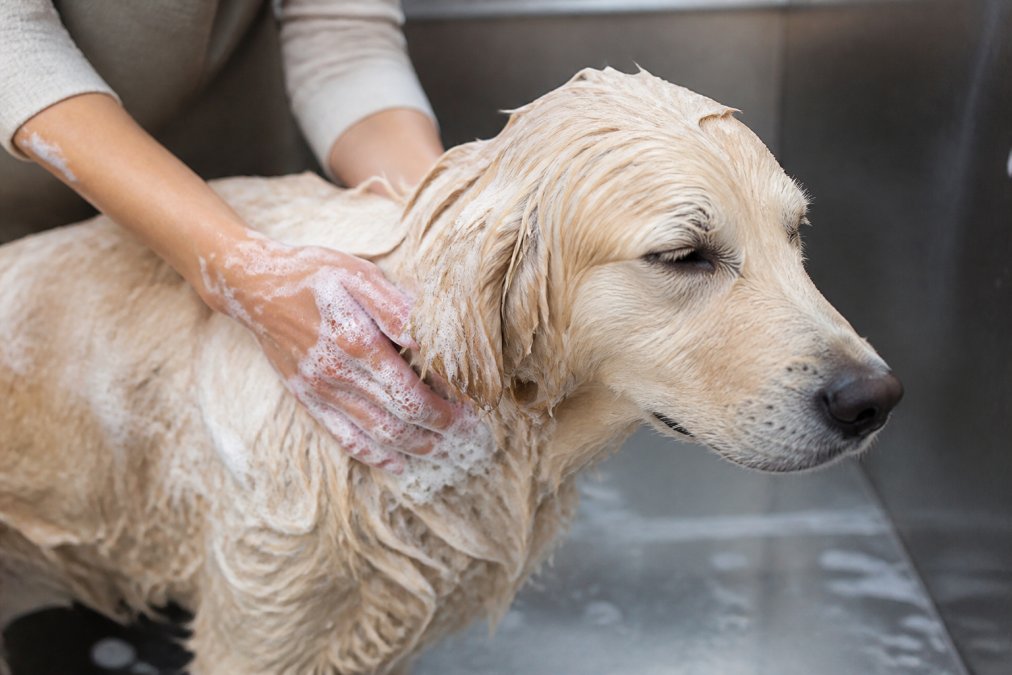
When you do bathe your dog, use lukewarm water, hot water opens the skin barrier and increases moisture loss. Apply a gentle, hydrating shampoo formulated for sensitive or dry skin, containing colloidal oatmeal, aloe vera, or hypoallergenic formulations. Work the shampoo into a lather and let it sit for 5-10 minutes before rinsing thoroughly. Rinse completely with cool water at the end to help close the cuticle layer. Pat your dog dry gently rather than rubbing vigorously. If your dog tolerates it, apply a pet-safe conditioner to dry areas after bathing to lock in hydration.
Step 3: Use Natural Remedies for Dog Dry Skin
Natural remedies can provide meaningful relief for mild to moderate dry skin as part of a comprehensive approach.
Colloidal oatmeal is one of the most effective natural treatments. It contains compounds that reduce inflammation, soothe itching, and help restore the skin barrier. You can purchase colloidal oatmeal products designed for dogs or make a simple bath by grinding plain oatmeal into a fine powder, mixing it with water, and applying it to affected areas. Leave it on for 10 minutes before rinsing. Many owners see noticeable improvement in itching within 2-3 applications.
Aloe vera gel (pure, without additives or alcohol) can be applied topically to irritated areas. It provides cooling relief and promotes skin healing. Coconut oil can also help, though it may worsen yeast-related conditions in some dogs. Apple cider vinegar diluted in water (one part vinegar to one part water) can be sprayed on affected areas to restore skin pH balance. Vitamin E oil applied topically promotes skin healing and provides moisture.
The critical point with natural remedies is consistency. Most dogs show improvement after 2-3 weeks of regular application (aaha.org). If you see no improvement after 3-4 weeks, move on to other interventions.
Step 4: Add Dog Skin Health Supplements to Daily Meals
Supplements that support skin health work from the inside out, addressing nutritional deficiencies and supporting the skin barrier at a cellular level.
Omega-3 fatty acids are the cornerstone of any skin health supplement regimen. These essential fatty acids reduce inflammation, support the skin barrier, and promote a softer, shinier coat. A typical dose is 1,000-2,000 mg of combined EPA and DHA per day for a medium-sized dog.
Probiotics support gut health, which directly impacts skin health. Look for multi-strain probiotics formulated specifically for dogs, with at least 5-10 billion CFU per serving (peer-reviewed research). Consistency matters, probiotics need 4-6 weeks to establish and show measurable effects.
Vitamin E, vitamin A, and zinc support skin cell turnover, reduce oxidative stress, and promote immune function and skin healing.
o3 Canine's K9 Oil combines these elements into a single daily supplement. The formula includes organic camelina oil (rich in omega-3s), herbal extracts, and activated ozone to support skin barrier health, reduce inflammation, and promote a fuller, softer coat.

Start any new supplement gradually at half the recommended dose for 3-4 days, then move to full dosing. This reduces the risk of digestive upset.
Step 5: Make Dietary Changes to Support Skin Barrier Health
What your dog eats directly impacts skin health. A diet lacking in quality protein, essential fatty acids, and micronutrients will produce poor skin and coat quality no matter what topical treatments you apply.
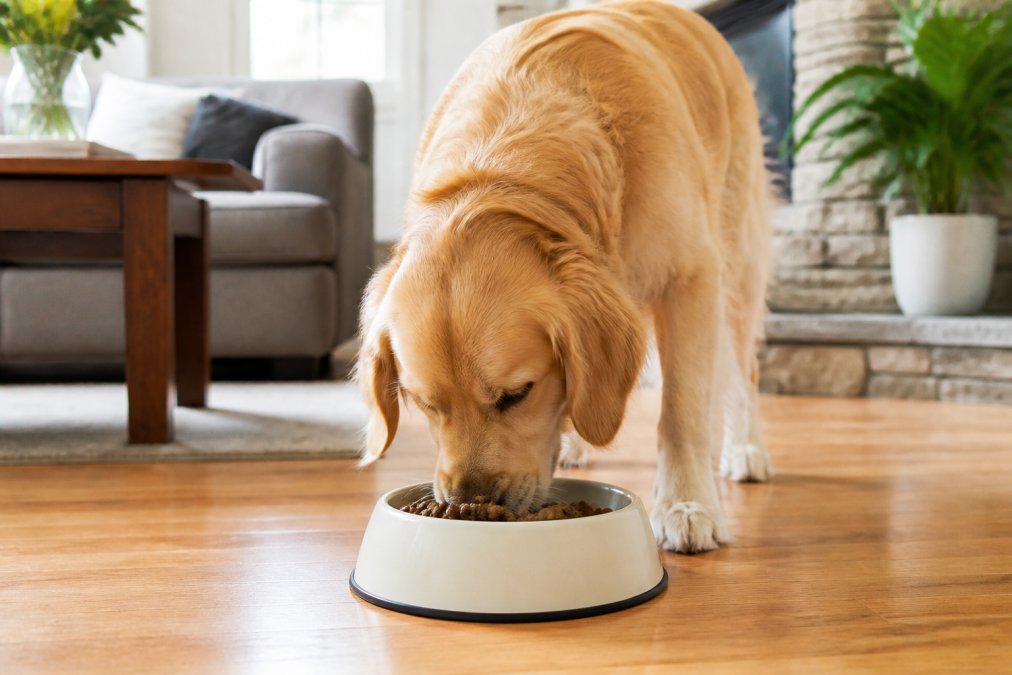
Evaluate your dog's current kibble. Look for products that list a named meat source (chicken, beef, fish) as the first ingredient, not meat by-products or grain fillers. The food should contain visible sources of omega-3 fatty acids, fish meal, flaxseed, or algae.
Consider whether your dog might have a food sensitivity or allergy. Common allergens include chicken, beef, wheat, and corn. If your dog has chronic skin issues despite supplementation and environmental changes, an elimination diet may help identify the culprit. Work with your vet to design an elimination diet that removes suspected allergens for 6-8 weeks, then reintroduces them one at a time.
Hydration matters too. Ensure fresh water is available at all times. Some owners add bone broth (unsalted, without onion or garlic) to meals to increase both hydration and nutrient intake. If your dog is overweight, weight loss alone often improves skin conditions, excess weight increases inflammation systemically, which manifests as skin problems.
Most dogs require 8-12 weeks on a new diet before you can accurately assess whether it's helping. Keep notes on your dog's scratching frequency, skin appearance, and coat quality during this period.
Why Does My Dog Lick Paws Constantly: Addressing Excessive Licking
Excessive paw licking is often the most visible and frustrating symptom of dry skin or underlying skin conditions. Dogs lick their paws excessively due to allergies, dry skin, parasites, yeast or bacterial infections, or anxiety.
The problem with excessive licking is that it creates a vicious cycle. The constant moisture from licking softens the skin barrier, making it more vulnerable to secondary infections. Yeast and bacteria thrive in the warm, moist environment between the toes, causing more itching and more licking.
To break this cycle, address the underlying cause while simultaneously managing the licking behavior. If your dog licks until the paws are raw, consider using a cone (Elizabethan collar) for short periods to prevent further damage while you implement other treatments.
Keep the paws clean and dry. After walks, wipe paws with a damp cloth to remove allergens and dirt, then dry thoroughly between the toes. Trim the hair between the toes closely to reduce moisture retention.
If licking persists despite addressing dry skin and environmental factors, your vet may recommend a short course of anti-inflammatory medication or topical treatments to break the itch-lick cycle while other interventions take effect.
When to See a Veterinarian
See a vet if your dog shows signs of secondary infection: pustules, crusting, hair loss, discharge, or a foul odor. These indicate bacterial or yeast infections requiring medicated treatment.
Chronic itching that persists despite 4-6 weeks of home care suggests an underlying allergy or systemic condition. Your vet can perform allergy testing, skin scrapings, or fungal cultures to identify the specific cause.
If your dog shows systemic signs, lethargy, weight loss, changes in appetite, or excessive thirst, skin problems may be secondary to a more serious condition like hypothyroidism or Cushing's disease. Puppies with severe dry skin or excessive scratching should be evaluated early, as some breeds are predisposed to allergies or skin conditions.
Dry skin in dogs responds well to a systematic approach that addresses root causes rather than just treating symptoms. Start by identifying what's driving the problem, adjust your bathing routine, use targeted natural remedies and supplements, and ensure your dog's diet supports skin barrier health. Most dogs show significant improvement within 4-6 weeks of consistent care.
o3 Canine's K9 Oil makes supplementation simple by combining omega-3s, essential nutrients, and activated ozone in a single daily dose that dogs actually enjoy. With just one addition to your dog's meal, you're supporting gut health, reducing inflammation, and promoting the skin barrier recovery that stops itching and produces a fuller, softer coat. Get started with o3 Canine's K9 Oil and give your dog the internal support their skin needs to heal.
Frequently Asked Questions
Q: How long does it take to see results when treating dry dog skin?
A: Most dogs show improvement in skin hydration and coat softness within 2-4 weeks of consistent treatment. Supplements like those containing omega-3 fatty acids and essential nutrients may take 4-6 weeks for visible changes in coat quality. Results depend on the severity of dryness and whether you address the underlying cause. Consistency is key, daily application of remedies and supplements produces better outcomes than sporadic treatment.
Q: Can diet really affect my dog's skin health?
A: Yes, diet directly impacts skin barrier function and coat quality. Dogs lacking essential fatty acids, vitamin E, and omega-3 fatty acids often develop dry, flaky skin and dull coats. Adding supplements with these nutrients or switching to kibble formulated for skin health can improve dermatological health significantly. A balanced diet supports the skin's natural oils (sebum) production and strengthens the skin barrier, reducing inflammation and irritation.
Q: Is it safe to use coconut oil or other home remedies on my dog's dry skin?
A: Coconut oil and aloe vera are generally safe topical treatments for mild dryness, but use caution. Coconut oil can clog pores in some dogs, worsening inflammation. Aloe vera should be applied externally only, never ingested. Essential oils are not safe for dogs and can cause toxicity. Always patch-test any remedy on a small area first. For dogs with sensitive skin or existing dermatitis, consult your veterinarian before applying home remedies to avoid allergic reactions or further irritation.
Q: What's the difference between dry skin and allergies in dogs?
A: Dry skin causes flaky, dull coat and mild itching, often triggered by environmental humidity, bathing frequency, or nutritional deficiencies. Allergies involve intense pruritus (itching), red inflamed patches, excessive licking of paws, and sometimes ear infections or digestive issues. Allergy-related skin irritation requires veterinary diagnosis and may need medicated shampoos or prescription treatment, while simple dryness responds well to hydration, supplements, and grooming adjustments. If your dog's itching is severe or persistent, seek veterinary evaluation to rule out allergens or dermatitis.
This article was written using GrandRanker
