

Table of Contents
- Common Causes of Persistent Dog Itching
- Dog Food Allergies vs Environmental Allergies: What's the Difference
- Parasitic Infestations: Beyond Just Fleas
- Bacterial and Yeast Infections Driving Secondary Itching
- Natural Remedies for Itchy Dogs That Actually Work
- How to Stop Your Dog From Licking Paws: Breaking the Itch-Scratch Cycle
- When to See a Veterinarian for Your Dog's Itching
- Frequently Asked Questions
Last Updated: September 3, 2026
Common Causes of Persistent Dog Itching
Your dog is scratching constantly, and you've already tried the obvious solutions. The vet ruled out fleas. You switched foods. Nothing seems to work. The reality is that why is my dog still itchy often comes down to multiple overlapping issues rather than a single culprit.
Persistent itching in dogs, medically known as pruritus, stems from several primary categories: environmental allergens like pollen and dust mites; food hypersensitivity (roughly 10-15% of chronic cases) (peer-reviewed research); parasitic infestations beyond fleas; secondary bacterial infections and yeast dermatitis from constant scratching; and breed-specific predispositions. Bulldogs, Retrievers, and Terriers carry genetic vulnerabilities to atopic dermatitis.
The key insight is this: if your dog is still itchy after basic interventions, the underlying cause hasn't been properly identified, or multiple factors are compounding each other. A dog with environmental allergies might develop a secondary yeast infection that perpetuates itching even after seasonal pollen subsides.
Dog Food Allergies vs Environmental Allergies: What's the Difference
The distinction between food hypersensitivity and environmental allergens matters because treatment approaches differ fundamentally. Dog food allergies vs environmental allergies require different diagnostic strategies.
Food hypersensitivity develops when a dog's immune system reacts to specific protein sources. The reaction builds over weeks or months of exposure. Itching from food allergies tends to be year-round and consistent, affecting the ears, paws, face, and skin folds. The dog may also experience gastrointestinal symptoms: vomiting, diarrhea, or loose stools. Diagnosing food allergies requires an elimination diet lasting 8-12 weeks with a novel protein source (aaha.org).
Environmental allergies trigger seasonal or year-round reactions to inhaled allergens. Pollen causes spring and fall flare-ups. Dust mites and mold spores create persistent indoor itching. Dogs with environmental allergies often show symptoms on the face, ears, paws, and underside of the body.
In practice: a dog with food allergies will itch regardless of season or location. A dog with environmental allergies might scratch heavily in spring but improve in winter.
Intradermal skin testing and serum allergy tests identify environmental allergens. Food allergies cannot be reliably diagnosed through blood tests; elimination diet remains the gold standard. Environmental allergies respond to antihistamines and seasonal management, while food sensitivities require permanent dietary adjustment.
Parasitic Infestations: Beyond Just Fleas
Most dog owners think "parasite prevention" means flea and tick control. That's incomplete. Why is my dog still itchy despite being on flea prevention often traces to parasites most people never consider: mange mites, lice, and other microscopic invaders that standard flea treatments don't address.
Flea allergy dermatitis remains a leading cause of chronic itching. A single flea bite can trigger intense itching in a hypersensitive dog, even if you never see another flea. The dog scratches, creates open wounds, and secondary bacterial or yeast infections develop.
Mange mites present a different problem. Demodex mites live on every dog's skin naturally, but immunocompromised or genetically predisposed dogs develop demodectic mange when mite populations explode (peer-reviewed research). Sarcoptic mange, transmitted from other animals, causes severe itching and crusty lesions. Both require specific treatments that differ entirely from flea prevention.
Lice infestation, less common but still present, causes localized itching and hair loss and requires treatment with specific antiparasitic shampoos or oral medications.
Your veterinarian may perform a skin scraping to identify mites, fungal cultures to rule out ringworm, and fecal testing to check for internal parasites that stress the immune system.
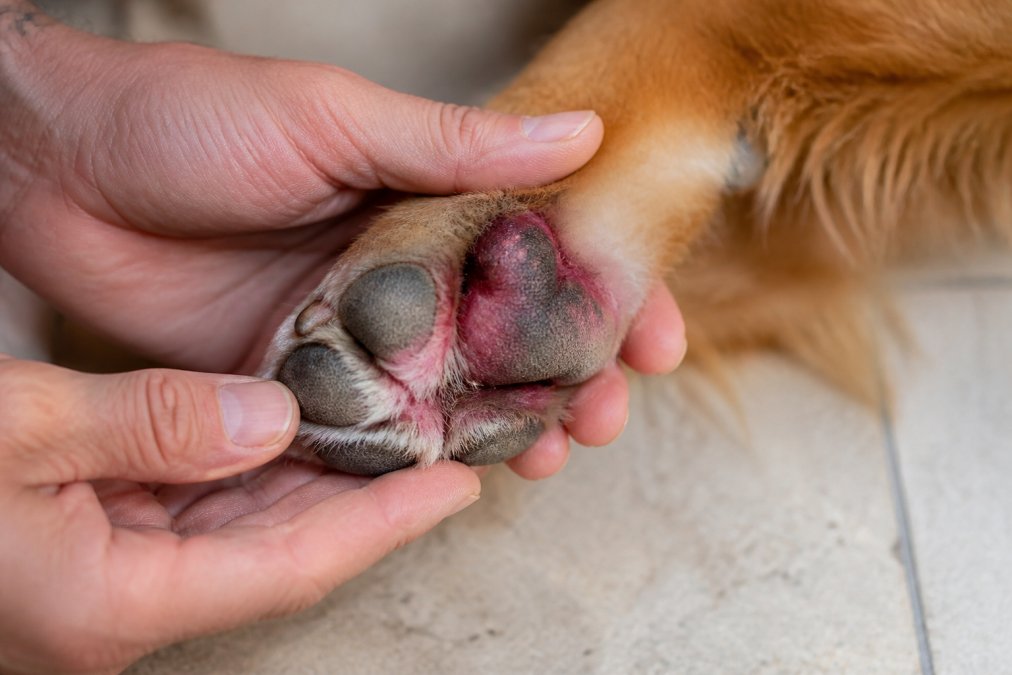
Prevention goes beyond monthly flea treatments. A comprehensive parasite prevention protocol includes year-round flea and tick medication, regular grooming to catch infestations early, and environmental management like washing bedding frequently and vacuuming.
Bacterial and Yeast Infections Driving Secondary Itching
Secondary infections represent a critical turning point in chronic itching cases. A dog starts with environmental allergies or food sensitivities. The itching drives excessive scratching and licking. This breaks the skin barrier, allowing bacteria and yeast to colonize. Now the dog isn't just itching from the original allergen; the secondary infection perpetuates and intensifies the itching.
Bacterial infections (pyoderma) develop when Staphylococcus bacteria invade damaged skin. Affected areas become red, crusty, and oozing. Yeast dermatitis, typically caused by Malassezia species, creates greasy, discolored patches often with a distinctive musty odor. Both thrive in warm, moist environments like skin folds, ears, and between toes.
The itch-scratch cycle accelerates secondary infections. The dog scratches, creating micro-tears. Bacteria and yeast enter. Inflammation increases. The dog scratches more. Breaking this cycle requires treating both the original cause and the secondary infection simultaneously.
Veterinary diagnostics identify secondary infections through cytology, a quick microscopic examination of skin cells, or bacterial culture. Treatment typically involves medicated shampoos, oral antibiotics or antifungals for systemic infections, and sometimes topical ointments.
A dog with a secondary yeast infection might take 4-6 weeks of consistent treatment to clear, even after the original allergen is controlled. Patience and adherence to the full treatment protocol are essential.
Natural Remedies for Itchy Dogs That Actually Work
Natural remedies can provide meaningful relief, though expectations need to align with reality. Natural doesn't mean miraculous, but certain approaches genuinely support skin health and reduce itching.
Omega-3 fatty acids strengthen skin barrier function and reduce inflammation. Fish oil supplements added to food daily help many dogs over weeks of consistent use. Quality matters; higher-potency supplements deliver better outcomes.
Dietary adjustments support overall immune health. Adding whole foods like sweet potatoes, green beans, and lean proteins can reduce inflammatory responses. Limited-ingredient diets reduce overall allergen exposure.
Topical relief comes from oatmeal-based shampoos and rinses, coconut oil applied to affected areas, and aloe vera gel. These provide comfort but don't address underlying causes.
Probiotics support gut health, and emerging evidence suggests gut balance influences immune response and skin health. Probiotics designed for dogs support digestive and immune function over time.
At o3 Canine, the o3 Canine K9 Oil combines organic camelina oil with herbal extracts and activated ozone to support skin health from within. This premium supplement is designed for owners seeking to enhance their dog's vitality, offering comprehensive support for gut health, joint support, a fuller and softer coat, and calming skin irritation to reduce excessive licking.

Herbal supplements like quercetin and turmeric possess natural anti-inflammatory properties. These don't replace veterinary treatment for active infections but can reduce itching intensity when the underlying cause is being managed.
Expect 3-6 weeks before noticing meaningful improvement with natural remedies, compared to days or weeks with antibiotics or prescription antihistamines.
How to Stop Your Dog From Licking Paws: Breaking the Itch-Scratch Cycle
The itch-scratch cycle represents one of the most frustrating aspects of chronic dog itching. Your dog licks their paws obsessively. The licking damages the skin. Damaged skin itches more. The dog licks more. This self-perpetuating cycle can continue even after the original allergen is removed.
Breaking this cycle requires interrupting the behavior while simultaneously addressing the underlying itch.
Behavioral interruption starts with awareness. Notice when your dog licks most intensely: after meals, during stressful situations, at night, or throughout the day. Timing reveals patterns that guide intervention.
Physical barriers work for some dogs. Soft cones or recovery collars prevent access to affected areas during the worst hours. Dog booties prevent paw licking. These aren't permanent solutions but provide relief during acute flare-ups and allow skin to heal.
Distraction and redirection address the behavioral component. Offering engaging toys, puzzle feeders, or chew items redirects the licking impulse. Increased exercise and mental stimulation reduce stress-driven licking.
Topical deterrents discourage licking. Bitter sprays applied to affected areas taste unpleasant, making the dog less likely to lick. These work best combined with other approaches.
Medical intervention addresses the itch itself. Antihistamines reduce allergic itching. Prescription medications like apoquel target specific itch pathways. Topical steroids reduce inflammation and itching in localized areas.
Supporting skin barrier function accelerates healing. Regular baths with gentle, moisturizing shampoos remove allergens and irritants while hydrating the skin. Pat dry gently rather than rubbing.
Nutritional support matters significantly. Adequate protein supports skin repair. Omega-3 fatty acids reduce inflammation. Zinc, vitamin E, and B vitamins support skin health. A high-quality diet with these nutrients, potentially supplemented with the o3 Canine K9 Oil, provides building blocks for skin recovery.
The cycle breaks when multiple interventions work together: the underlying allergen or parasite is identified and treated, itching intensity is reduced through medical or natural means, the dog's licking behavior is interrupted, and skin barrier function is supported through nutrition and topical care.
When to See a Veterinarian for Your Dog's Itching
Self-care and natural remedies have their place, but certain situations demand professional veterinary attention.
Contact your veterinarian immediately if your dog shows signs of severe skin infection: oozing lesions, foul odor, widespread redness, or signs of pain. These indicate active bacterial or yeast infection requiring prescription treatment.
Persistent itching lasting more than 2-3 weeks despite home management warrants a veterinary visit. Your vet can perform diagnostic tests to identify the actual cause rather than guessing.
If your dog is itching intensely enough to cause self-trauma, bleeding from scratching, hair loss, or open wounds, professional evaluation is necessary.
Seasonal flare-ups that recur annually should be evaluated by your vet. Identifying the seasonal allergen allows you to implement preventive measures before the next flare-up occurs.
New itching in an older dog warrants investigation. New-onset itching can indicate underlying health issues beyond simple allergies, including thyroid problems or hormonal imbalances.
Your veterinarian can rule out conditions that mimic allergic itching: mange mites, ringworm, lice, or other parasites requiring specific treatments. A skin scraping takes minutes and provides crucial diagnostic clarity.
Allergy testing through intradermal skin testing or serum testing provides definitive answers about environmental allergies. This investment typically pays dividends by identifying specific allergens you can then avoid or manage proactively.
At o3 Canine, the most successful cases combine professional veterinary care for diagnosis and treatment of underlying causes with supportive supplementation like the o3 Canine K9 Oil to strengthen skin barrier function and reduce inflammation from within.
Chronic dog itching rarely resolves with a single intervention. The owners who see the best results approach the problem systematically: they identify the underlying cause through veterinary diagnostics, treat active infections or parasites, reduce allergen exposure where possible, interrupt the itch-scratch cycle through behavioral management, and support skin health through nutrition and supplementation. Start with a veterinary evaluation to narrow down the cause, then layer in targeted treatments and supportive care. Your dog's comfort depends on addressing not just the symptom, but the root issue driving it.
Frequently Asked Questions
Why is my dog still itchy even after treatment?
Persistent itching often stems from multiple overlapping causes, allergies, secondary infections, or an incomplete diagnosis. Environmental allergens like pollen and dust mites trigger year-round pruritus in many dogs. Food hypersensitivity can coexist with parasitic infestations, meaning treating one cause alone won't resolve the problem. A veterinarian can perform skin scrapings and elimination diets to identify the true culprit. Supporting your dog's immune response and skin barrier function from within, through gut health and omega-3 fatty acids, addresses the root inflammation driving chronic itching.
Can diet really cause a dog to be itchy?
Yes. Food hypersensitivity triggers an immune response that manifests as atopic dermatitis-like symptoms, including itching, hot spots, and excessive licking. Common allergens include beef, chicken, wheat, and corn. An elimination diet, removing suspected proteins for 8-12 weeks, can reveal whether food is the culprit. Unlike environmental allergies that spike seasonally, food-related itching is usually constant year-round. Switching to a hypoallergenic diet and supporting gut health with natural supplements can reduce inflammatory responses and calm skin irritation.
What's the fastest way to relieve my dog's itching at home?
Immediate relief includes cool water baths with medicated shampoos to soothe inflamed skin, applying topical treatments to hot spots, and ensuring proper grooming to reduce secondary bacterial infection. However, lasting relief requires addressing the underlying cause, whether that's parasite prevention, dietary adjustment, or supporting immune health. Omega-3 fatty acids and all-natural supplements that promote skin barrier function can reduce chronic inflammation from the inside out.
Is it safe to give my dog supplements if he has digestive issues?
Natural ozonated oils like K9 Oil are formulated to support gut balance and are generally well-tolerated, even by dogs with sensitive digestion. The key is introducing any new supplement gradually, start with a small dose mixed into food and monitor for any adverse reactions. All-natural formulations that include herbal extracts and omega-3s actually help strengthen the gut barrier and reduce inflammation. If your dog has a diagnosed digestive condition, consult your veterinarian before starting any new supplement, but most dogs with food sensitivities benefit from products designed to support immune health and reduce intestinal inflammation.
This article was written using GrandRanker
